









What's Happening?
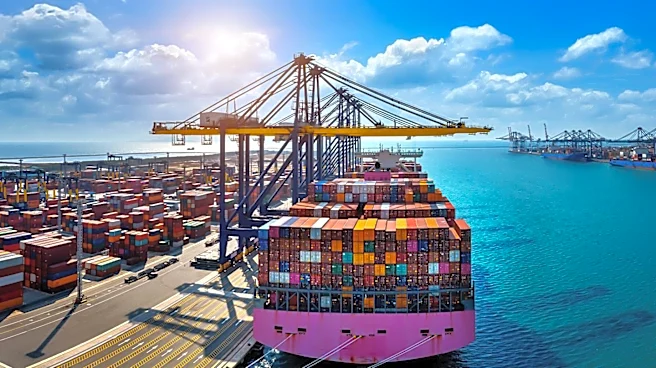
Zijin Mining Group has commenced the export of lithium concentrate from its Manono project in the Democratic Republic of Congo to China. This development marks the first instance of lithium exports from Congo, further solidifying China's influence over
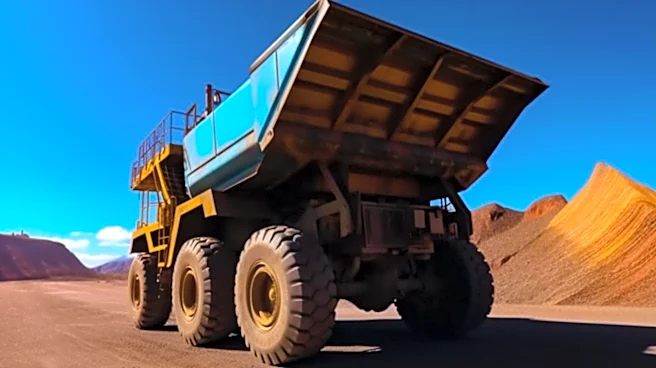
the country's critical minerals sector. The Manono project, which is one of the largest undeveloped hard-rock lithium resources globally, is currently embroiled in a legal dispute following the revocation of Australian miner AVZ Minerals' permit. The project is primarily owned by Zijin, with stakes held by State miner Cominiere and the Congolese government. Initial shipments began in June, with the concentrate being transported to China via Tanzania. The processing plant at Manono started production in May 2026, and the project aims to produce significant quantities of lithium carbonate equivalent by the end of the year.
Why It's Important?
The initiation of lithium exports from Congo to China is significant as it underscores China's growing dominance in the global critical minerals market, particularly in Africa. This development could have substantial implications for the global supply chain of lithium, a key component in electric vehicle batteries and renewable energy technologies. The legal disputes surrounding the Manono project highlight the complexities and risks associated with mining investments in politically unstable regions. For the U.S., this could mean increased competition in securing critical minerals, potentially impacting domestic industries reliant on lithium. The situation also raises questions about the geopolitical dynamics of mineral resource control and the strategic positioning of countries like China in the global market.
What's Next?
The ongoing legal disputes over the Manono project could influence future operations and investments in the region. U.S.-backed KoBold Metals, which holds an adjoining license, has stated it will not proceed with development until these disputes are resolved. This could delay further exploration and exploitation of the resource. Additionally, the ramp-up of production and the establishment of downstream facilities by December 2026 could enhance the project's output, potentially affecting global lithium prices and supply. Stakeholders, including international investors and governments, will likely monitor the situation closely, considering the strategic importance of lithium in the transition to green energy.