
What's Happening?
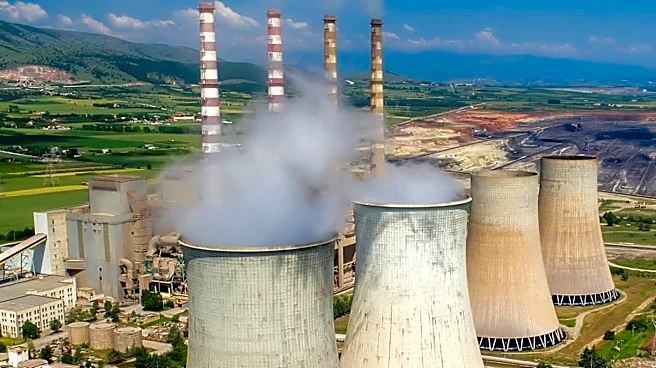
The European Union's market for industrial waste gas treatment systems is experiencing significant structural changes driven by regulatory pressures and technological advancements. The market is primarily
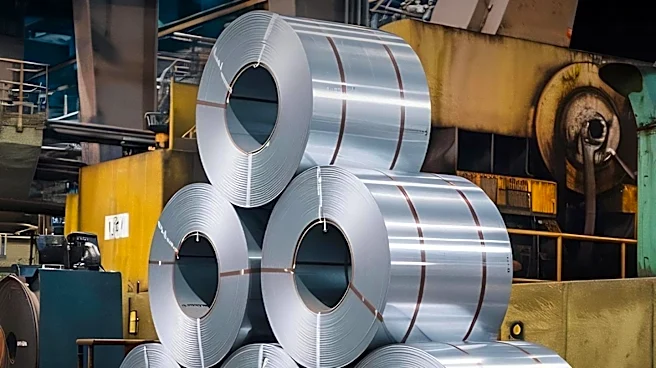
influenced by the Industrial Emissions Directive, which mandates stricter emission limits, prompting a shift towards modular, multi-pollutant treatment systems. These systems are increasingly integrated with digital technologies for real-time monitoring and predictive maintenance. The semiconductor and electronics manufacturing sectors account for a substantial portion of the demand, bolstered by investments linked to the EU Chips Act and battery gigafactory expansions. However, the market faces challenges such as extended lead times for specialty components and price volatility in raw materials like stainless steel and noble metals, which complicate cost management and project timelines.
Why It's Important?
The developments in the EU's industrial waste gas treatment market have broader implications for environmental compliance and industrial efficiency. As emission standards tighten, industries are compelled to adopt advanced treatment systems, which could lead to significant reductions in industrial pollution. This shift not only supports the EU's environmental goals but also sets a precedent for global industrial practices. The integration of digital technologies in these systems enhances operational efficiency and compliance, potentially reducing costs in the long term. However, the volatility in raw material prices and supply chain disruptions pose risks to project feasibility and cost-effectiveness, impacting industries reliant on these systems for regulatory compliance.
What's Next?
Looking ahead, the market is expected to grow at a compound annual rate of 4-6% through 2035, driven by ongoing regulatory tightening and industrial capacity expansion. The demand for integrated systems with digital capabilities is likely to increase, reflecting a shift towards energy-efficient and compliant solutions. Central and Eastern Europe are anticipated to experience faster growth compared to Western Europe, as these regions align with EU environmental standards. The aftermarket segment, including consumables and service contracts, is projected to expand, driven by an increasing installed base. However, potential economic slowdowns and alternative abatement methods could pose challenges to this growth trajectory.
Beyond the Headlines
The EU's focus on industrial waste gas treatment systems highlights the intersection of environmental regulation and industrial innovation. The market's evolution underscores the importance of sustainable industrial practices and the role of technology in achieving environmental goals. The integration of digital technologies not only enhances system efficiency but also opens new avenues for service-based business models, offering opportunities for vendors to differentiate through data-driven lifecycle contracts. As industries navigate these changes, the EU's approach could serve as a model for other regions seeking to balance industrial growth with environmental sustainability.