



What's Happening?
Newly obtained records are shedding light on the circumstances surrounding the transfer of Asha, an African elephant, from Natural Bridge Zoo in Virginia to Two Tails Ranch in Florida in December 2023. The documents, acquired by the nonprofit Free All
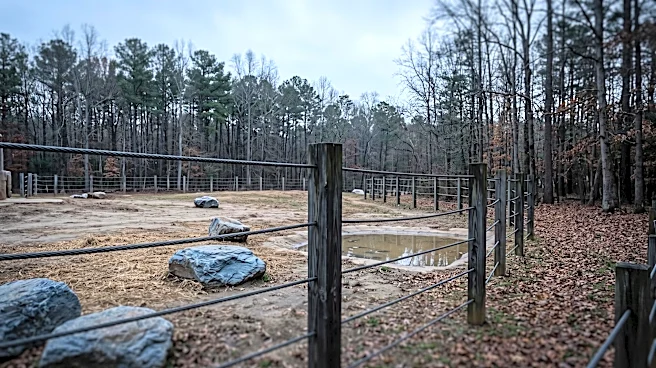
Captive Elephants through a public records request, indicate that Florida veterinarian Dr. Mark Wilson notified the Florida Fish and Wildlife Conservation Commission on December 1, 2023, that Asha was being transported due to a medical emergency. However, Florida wildlife investigators later determined that the required permit for interstate animal transfer had not been obtained prior to Asha crossing state lines. Investigators also found that a certificate of veterinary inspection issued on November 25, nearly a week before the trip, already listed Two Tails Ranch as Asha's destination, contradicting claims that there wasn't enough time to secure a permit. Furthermore, Wilson's reports from Asha's arrival in Florida did not document a medical problem, despite the transfer being cited as a medical emergency. Just four days after Asha's arrival in Florida, Virginia authorities raided Natural Bridge Zoo as part of an animal cruelty investigation, raising scrutiny over the timing of the elephant's departure.
Why It's Important?
This situation is important as it highlights potential regulatory loopholes and enforcement challenges in the interstate transfer of exotic animals within the U.S. The alleged permit violation and the questionable justification for Asha's transfer raise concerns about animal welfare and the oversight capabilities of state wildlife agencies. The close timing between Asha's move and the animal cruelty raid on Natural Bridge Zoo suggests a possible attempt to circumvent legal actions or protect assets, which could have broader implications for how animal facilities are regulated and investigated. Animal welfare advocates, like Dee Gaug of Free All Captive Elephants, emphasize the social needs of elephants, noting that Asha was the zoo's only elephant, which they consider akin to solitary confinement. This case underscores the ongoing debate about the ethical treatment of animals in captivity and the need for stringent regulations to ensure their well-being and prevent potential abuses.
What's Next?
While Dr. Mark Wilson received a warning for the permit violation, avoiding criminal prosecution, questions about Asha's time at Natural Bridge Zoo and the circumstances of her transfer persist among animal welfare advocates. Asha has since been moved from Florida to an elephant sanctuary in Tennessee, suggesting a more suitable environment for her. However, the nonprofit Free All Captive Elephants and other animal welfare organizations will likely continue to monitor the situation and advocate for stricter regulations regarding the care and transfer of captive elephants. This incident could prompt increased scrutiny from state and federal agencies on animal facilities, potentially leading to reviews of existing permit processes and enforcement mechanisms for interstate animal transfers. The case may also fuel public discourse on the ethics of keeping highly social animals like elephants in solitary conditions within zoos.
Beyond the Headlines
The case of Asha the elephant delves into deeper ethical and legal considerations surrounding animal ownership and welfare in the U.S. The alleged misrepresentation of a medical emergency to facilitate an unpermitted transfer raises questions about accountability and transparency within the exotic animal industry. The denial of the Virginia Attorney General's Office's request for a search warrant at the Florida facility after Asha's move highlights jurisdictional complexities and potential challenges in prosecuting animal cruelty cases across state lines. More broadly, the incident contributes to the ongoing national conversation about the role of zoos and the appropriateness of keeping large, intelligent animals like elephants in captivity, especially when their social and behavioral needs are not adequately met. It underscores the tension between commercial interests and animal rights, pushing for a re-evaluation of standards and practices in animal exhibition and care.