






What's Happening?
Following the discovery of six individuals who died from hyperthermia in a railway car in Laredo, Texas, experts are warning of the lethal summer heat at the US-Mexico border. The victims, ranging in age from 14 to 56, were from Mexico and Honduras, and their
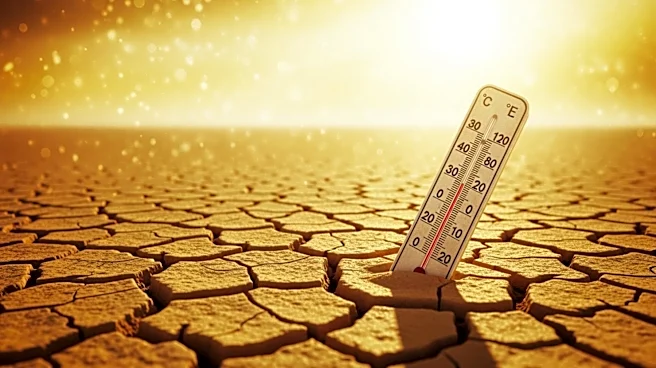
deaths highlight the dangers faced by immigrants crossing the border. Non-profits like Humane Borders report that hundreds of people die each year in the borderlands due to extreme heat, with temperatures reaching up to 118F in areas like the Sonoran desert. The situation is exacerbated by climate change, which acts as a 'threat multiplier' in Central America, driving more people to migrate despite the risks.
Why It's Important?
The extreme heat at the US-Mexico border poses significant humanitarian challenges, as it increases the risk of heat-related deaths among migrants. This situation underscores the urgent need for comprehensive immigration policies that address the root causes of migration, such as climate change and socio-economic instability in Central America. Additionally, the deaths highlight the importance of providing humanitarian aid and resources, such as water stations, to prevent further tragedies. The issue also raises ethical questions about the treatment of migrants and the responsibilities of governments to protect vulnerable populations.
What's Next?
As summer approaches, non-profits and humanitarian organizations are likely to increase their efforts to provide aid and raise awareness about the dangers of crossing the border in extreme heat. There may also be calls for policy changes to improve the safety and well-being of migrants. The situation could prompt further discussions on climate change adaptation and mitigation strategies to address the factors driving migration from Central America.
Beyond the Headlines
The deaths at the border highlight the broader implications of climate change as a driver of migration and the ethical responsibilities of nations to address these challenges. The situation also reflects the complex interplay between immigration policies, humanitarian aid, and climate change, necessitating a multi-faceted approach to finding sustainable solutions.