



What's Happening?
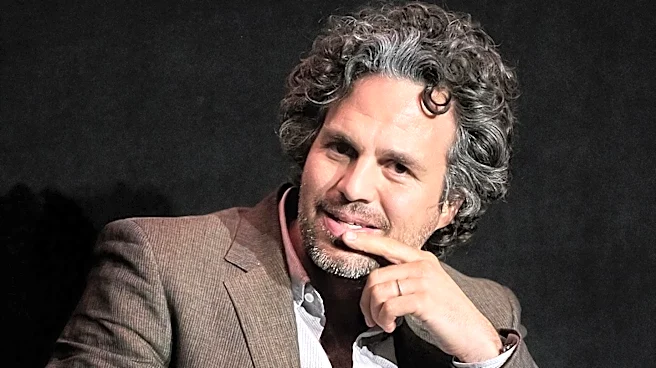
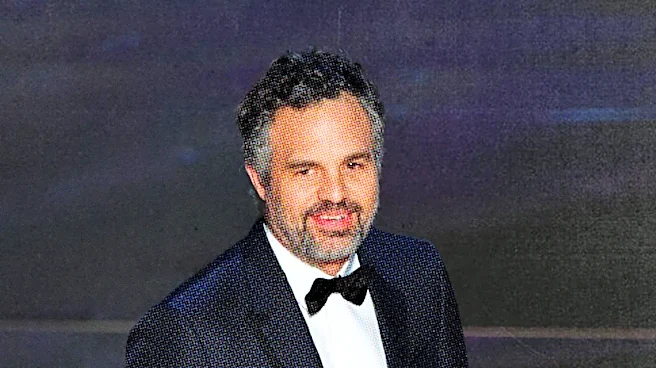
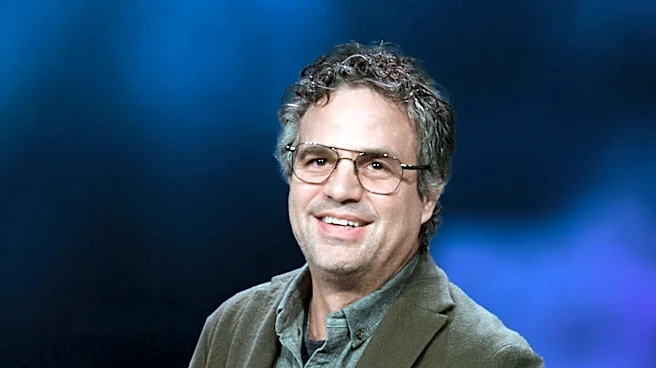
Several prominent Jewish and pro-Israel organizations have condemned actor Mark Ruffalo for what they describe as antisemitic rhetoric in his social media commentary. The controversy stems from Ruffalo's Instagram post targeting the Ellison family, specifically
Larry Ellison and his son David Ellison, amidst the pending merger of Paramount with Warner Bros. Discovery. Ruffalo's post featured footage of Safra Catz, executive vice chair of Oracle and a Paramount board member, discussing the company's engagement in Israel. In his commentary, Ruffalo labeled Larry Ellison a 'classic oligarch' and accused him and David Ellison of 'powering some of the most destructive and inhuman forces in the world.' He further stated that Catz 'revels in what we now have come to see as a genocide, which was built on an apartheid system of oppression powered by Oracle.' Paramount issued a statement condemning Ruffalo's remarks, calling them 'troubled when antisemitic tropes are invoked in purported service of a business dispute.' Rabbi Noah Farkas, CEO of Jewish Federation Los Angeles, characterized Ruffalo's comments as an 'unhinged rant' that combined 'Jewish wealth, media control, secret technology and sinister global power,' drawing on recognizable antisemitic tropes.
Why It's Important?
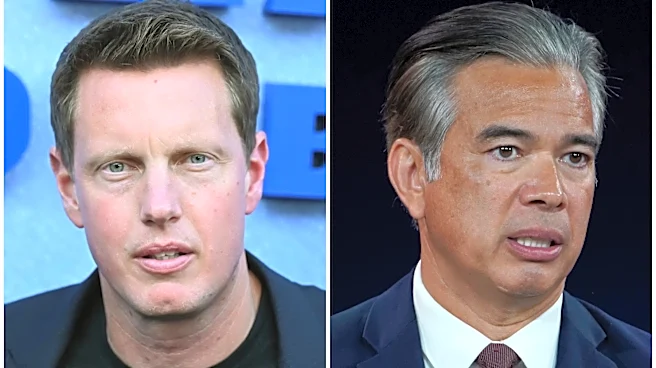
This incident highlights the ongoing tension and sensitivity surrounding discussions of Israel, corporate power, and antisemitism within the entertainment industry and broader public discourse. The condemnation from Jewish leaders underscores concerns that Ruffalo's language, particularly his use of terms like 'oligarch,' 'genocide,' and 'apartheid' in connection with Jewish individuals and a corporate transaction, invokes historical antisemitic tropes about Jewish control over finance and media. This can have significant real-world implications by potentially fueling antisemitic sentiment and endangering Jewish communities, as noted by Jonathan Greenblatt, CEO of the Anti-Defamation League. The call for California Attorney General Rob Bonta to clarify his stance on Ruffalo's comments also points to the political and legal dimensions of such rhetoric, especially when it intersects with business disputes. The differing reactions from progressive groups, who defend Ruffalo's right to criticize corporations and the Israeli government without being labeled antisemitic, illustrate the deep divisions and complexities in defining and addressing antisemitism today.
What's Next?
The immediate aftermath could see continued public debate and scrutiny of Mark Ruffalo's statements and the responses from Jewish organizations and Paramount. Creative Community for Peace has called for Hollywood to boycott Ruffalo until he retracts his remarks and apologizes, which could lead to further professional repercussions for the actor. California Attorney General Rob Bonta may face increased pressure to clarify his position on the matter, particularly regarding the distinction between legitimate antitrust concerns and rhetoric perceived as antisemitic. The ongoing Paramount-Warner Bros. Discovery merger dispute, which served as the backdrop for Ruffalo's comments, will likely continue, potentially with added layers of controversy due to these accusations. This incident may also prompt further discussions within the entertainment industry about the responsibilities of public figures when addressing sensitive geopolitical and social issues, and the potential impact of their words on various communities.
Beyond the Headlines
This controversy delves into the deeper societal challenge of distinguishing legitimate criticism of corporate actions or government policies from antisemitic rhetoric. The use of terms like 'genocide' and 'apartheid' in a corporate context, as highlighted by Paramount, raises questions about the appropriate application of such loaded language and its potential to trivialize genuine suffering. The incident also reflects a broader cultural shift where public figures, particularly those with large social media followings, are increasingly expected to take stances on complex global issues, often leading to intense public and professional backlash. The differing interpretations of Ruffalo's comments by various groups—some seeing them as antisemitic tropes and others as valid criticism—underscore a growing polarization in how antisemitism is defined and perceived. This ongoing debate has significant implications for freedom of speech, the fight against hate speech, and the protection of minority communities in an increasingly interconnected and vocal public sphere.