




What's Happening?
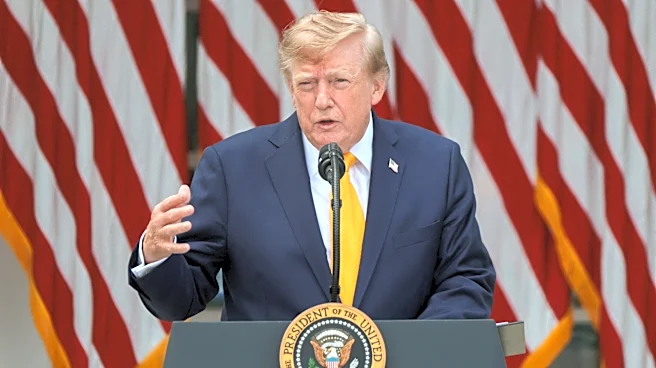
Senator John Barrasso (R-Wyo.), the Senate Republican Whip, has publicly opposed President Trump's recent plan to allow 300,000 metric tons of ground beef trimmings to be imported without country-of-origin labels and without tariffs. President Trump's administration
announced this measure last week, aiming to lower beef prices for American consumers and allow U.S. cattle herds to grow. However, Senator Barrasso stated on X that 'Americans want US beef on the table — not foreign imports,' emphasizing the high quality of Wyoming's beef and the need for a fair marketplace for domestic ranchers. He argued that it should be easier for Wyoming ranchers to supply America and pledged to advocate for policies that support U.S. beef producers and the American cattle herd. This move by President Trump has drawn criticism from several Republican senators, particularly those from agriculture-heavy states, who are concerned about the potential negative impact on domestic producers and the lack of transparency for consumers who would be unable to distinguish between U.S.-grown and foreign beef.
Why It's Important?
This disagreement highlights a significant tension within the Republican party regarding trade policy and its impact on domestic industries and consumers. President Trump's plan, intended to reduce beef prices, is seen by Senator Barrasso and other GOP senators as potentially undermining American ranchers. The absence of country-of-origin labels could lead to consumers unknowingly purchasing foreign beef, which some argue goes against consumer preference for U.S. products. For the U.S. beef industry, particularly in states like Wyoming, this policy could introduce cheaper foreign competition, potentially driving down prices for domestic producers and affecting their livelihoods. The debate also touches on the broader economic strategy of balancing consumer costs with support for national industries, especially in an election year where economic concerns like food prices are prominent. The outcome could influence future trade policies and the level of protection afforded to American agricultural sectors.
What's Next?
The immediate future will likely see continued debate and pressure from agricultural states and their representatives on President Trump's administration to reconsider or modify the policy regarding unlabeled beef imports. Republican senators, including Barrasso, are expected to continue advocating for policies that strengthen domestic beef producers and ensure transparency for consumers. The administration's response to this internal party opposition will be crucial. It remains to be seen if President Trump will adjust his plan in light of these concerns or if he will proceed with the current policy, prioritizing lower consumer prices. This issue could also become a talking point in upcoming midterm elections, with candidates from agriculture-heavy states using it to highlight their commitment to local industries. The market will also react to the influx of 300,000 metric tons of imported beef, potentially impacting domestic beef prices and the profitability of U.S. cattle ranchers over the next three months.
Beyond the Headlines
Beyond the immediate economic implications, this situation underscores a deeper philosophical divide within the Republican party regarding trade and protectionism versus free market principles. While President Trump's 'America First' rhetoric often champions domestic industries, this specific policy appears to prioritize consumer price reduction through imports, creating a conflict with some of his traditional supporters in the agricultural sector. The issue also raises questions about consumer rights and the desire for transparency in food labeling, reflecting a growing public interest in knowing the origin of food products. The long-term impact could influence consumer trust in food labeling standards and potentially lead to increased calls for mandatory country-of-origin labeling across various food categories. This internal party friction could also signal a broader shift in how trade-offs between consumer costs and domestic industry protection are navigated in future policy decisions.