
What's Happening?
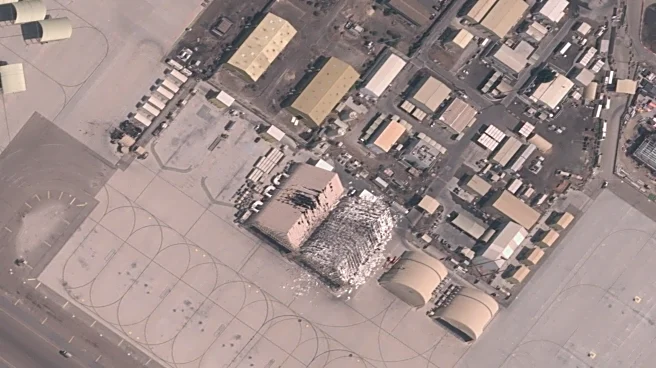
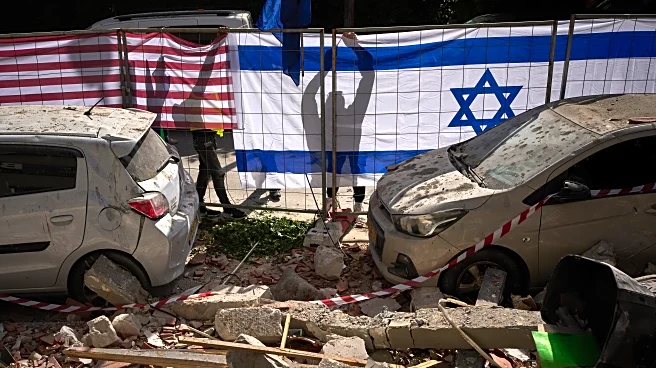
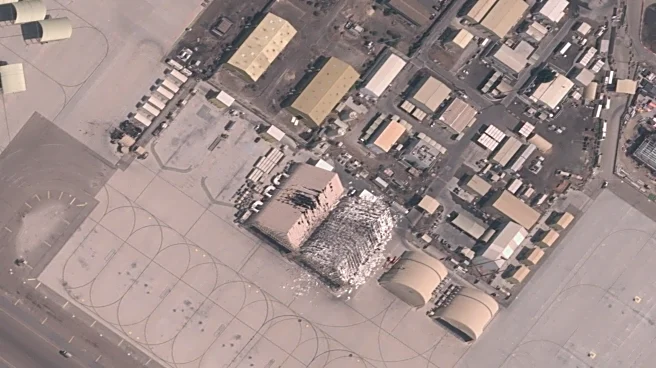
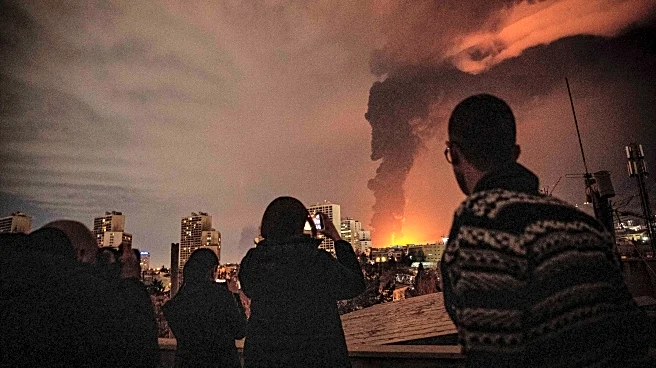
The conflict between Israel and Iran has intensified, with Israel launching strikes on Iran's South Pars gas field, the largest in the world. In retaliation, Iran targeted key energy sites in Gulf Arab states, including Qatar's Ras Laffan Industrial City
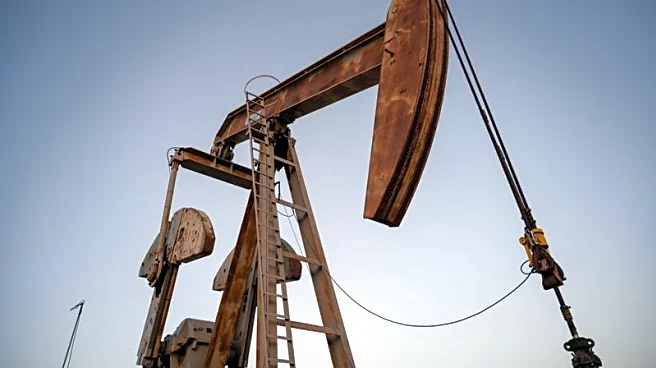
and refineries in Saudi Arabia and Kuwait. These attacks have caused significant disruptions in global energy supply, leading to a spike in oil and gas prices. President Trump stated that further Israeli attacks would cease unless Iran targets U.S. allies again, threatening massive retaliation if provoked.
Why It's Important?
The escalation poses a severe threat to global energy markets, with potential long-term impacts on energy prices and supply stability. The conflict could lead to economic shocks, affecting billions worldwide due to increased costs of energy and goods. The situation also strains diplomatic relations, as countries like Qatar express anger over the damage to their infrastructure. The international community, including European leaders, has called for a halt to attacks on civilian infrastructure to prevent further economic and humanitarian crises.
What's Next?
The international response may involve diplomatic efforts to de-escalate the conflict and ensure safe passage through critical regions like the Strait of Hormuz. The U.S. and its allies might consider easing sanctions on Iranian oil to stabilize markets. However, the damage to energy infrastructure could take years to repair, suggesting prolonged volatility in energy prices. The situation remains fluid, with potential for further military and economic developments.