
What's Happening?
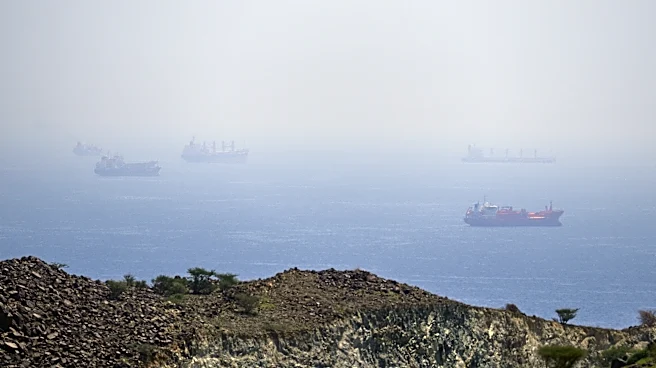
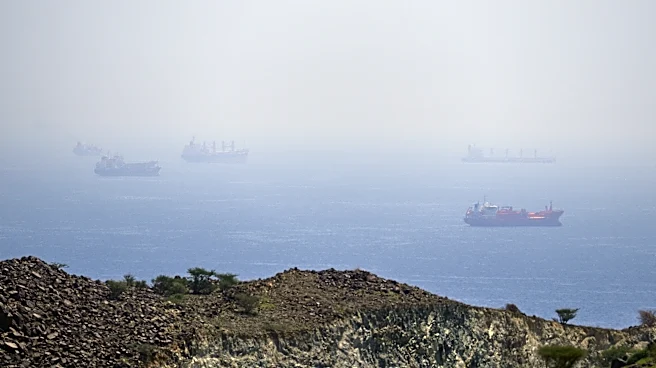
Brent oil prices have risen above $105 per barrel as tensions escalate in the Strait of Hormuz, where both the U.S. and Iran are enforcing blockades. The U.S. claims control over the sea lane, requiring
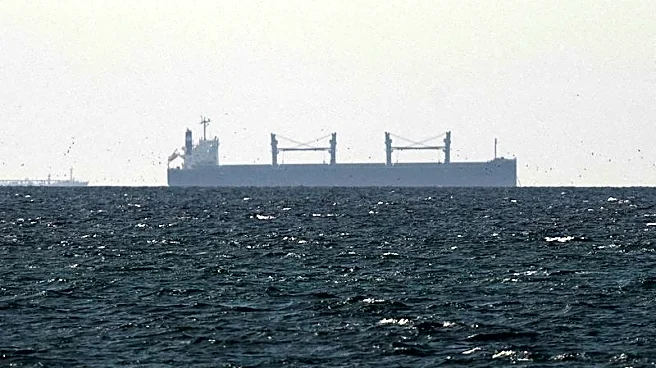
ships to obtain permission from the U.S. Navy, while Iran demands its own permissions. The blockade has resulted in low oil tanker traffic and the seizure of ships by both nations. Additionally, reports of Iran's top negotiator resigning due to interference from the Revolutionary Guard have raised concerns about Tehran's stance in negotiations with the U.S. Meanwhile, Israel has expressed readiness to resume military actions against Iran, pending U.S. approval.
Why It's Important?
The rise in oil prices reflects the market's sensitivity to geopolitical tensions, particularly in a region as critical as the Strait of Hormuz, a major oil transit chokepoint. The situation highlights the vulnerability of global energy markets to regional conflicts and the potential for significant economic repercussions. The involvement of multiple nations, including Israel, further complicates the geopolitical landscape, with potential impacts on international diplomacy and security. Energy stakeholders and global markets are closely watching developments, as prolonged tensions could lead to sustained high oil prices and economic instability.
What's Next?
The ongoing tensions suggest a volatile period for global oil markets, with potential for further price increases if the situation escalates. Diplomatic efforts may be necessary to de-escalate tensions and stabilize the region. The international community, particularly countries reliant on oil imports, may seek to mediate or influence negotiations to prevent further disruptions. Additionally, the U.S. and its allies may need to reassess their strategies to address the economic and security implications of the blockade and potential military actions.