



What's Happening?
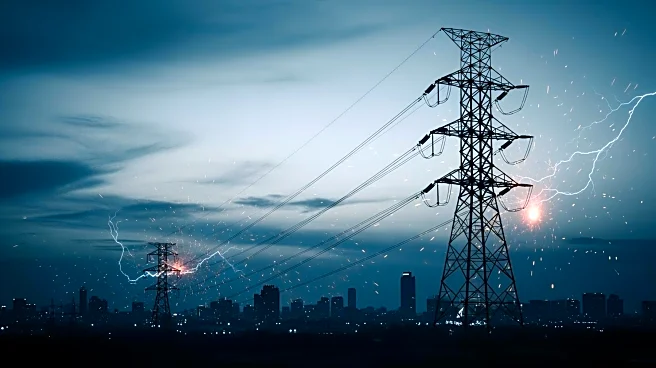
The Russian city of Belgorod experienced significant power outages following a series of drone and missile strikes attributed to Ukrainian forces. According to regional Governor Vyacheslav Gladkov, the city was subjected to what he described as the 'most
massive' attack, reportedly involving HIMARS, on January 24, 2026. The strikes resulted in over 50 explosions, leaving parts of the city without electricity. Russian authorities have been accused of downplaying the extent of the outages by labeling them as 'planned work' or 'short-term incidents' to prevent public panic. The attacks are part of ongoing military operations in the region, with Ukrainian forces targeting Russian infrastructure and military positions.
Why It's Important?
The attacks on Belgorod highlight the escalating tensions and the intensifying nature of the conflict between Russia and Ukraine. The use of drones and missiles to target energy infrastructure not only disrupts civilian life but also serves as a strategic move to weaken Russian military capabilities. This development underscores the evolving nature of modern warfare, where technology plays a crucial role in military strategy. The impact on civilians, including power outages and potential safety concerns, raises questions about the humanitarian implications of such military tactics. Additionally, the situation may influence international diplomatic efforts and the geopolitical landscape, as countries assess their positions and responses to the conflict.
What's Next?
As the conflict continues, further military engagements and retaliatory actions are likely. The international community may increase diplomatic efforts to mediate and de-escalate tensions. Additionally, there could be increased scrutiny on the use of advanced military technology and its implications for international law and civilian safety. The situation may also prompt discussions on energy security and infrastructure resilience in conflict zones.
Beyond the Headlines
The attacks on Belgorod and the resulting power outages highlight the broader implications of warfare on civilian infrastructure and daily life. The reliance on technology in modern conflicts raises ethical questions about the targeting of civilian areas and the potential for collateral damage. Furthermore, the situation may lead to long-term shifts in military strategy and international relations, as countries reassess their defense policies and alliances in response to evolving threats.