



What's Happening?
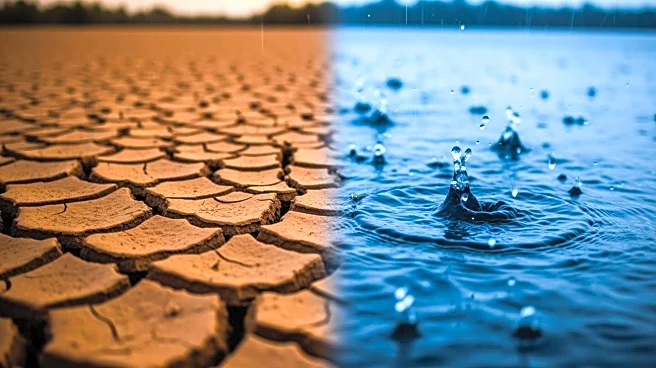
São Paulo, one of the world's largest metropolitan areas, is currently experiencing a severe climate paradox as it battles both deadly flash floods and a significant drought. The city's largest reservoir network is at 32% capacity, the lowest since the 2014-2015
water crisis. Recent intense storms have resulted in fatalities, including an elderly couple whose car was swept away. The crisis is attributed to climate change, driven by global warming, greenhouse gas emissions, and land use changes. The Cantareira reservoir system, which supplies water to millions, is under strain, with potential restrictions looming. The situation is exacerbated by deforestation and rising temperatures, which increase atmospheric moisture, leading to intense rainfall and flooding.
Why It's Important?
The dual crisis in São Paulo highlights the severe impacts of climate change on urban centers, affecting millions of residents and the local economy. The water shortages and flooding disrupt daily life, with businesses and households facing operational challenges. The crisis underscores the need for sustainable water management and infrastructure improvements to mitigate future risks. The economic implications are significant, as water scarcity can lead to production halts and financial losses, reminiscent of the $5 billion losses during the 2014 drought. The situation calls for urgent policy interventions to address climate resilience and support vulnerable communities.
What's Next?
São Paulo's authorities are implementing measures to manage the crisis, including reducing nighttime water pressure and promoting water conservation. The state government has launched campaigns to encourage shorter showers and repair leaks. Sabesp, the water utility, plans to invest in infrastructure improvements and reforestation efforts. However, experts suggest that a rationing scheme should have been in place earlier to prevent the situation from worsening. The ongoing crisis may prompt further policy changes and investments in sustainable water management to ensure long-term resilience against climate-induced challenges.
Beyond the Headlines
The crisis in São Paulo reflects broader global challenges related to climate change and urbanization. The interplay between deforestation, urban development, and climate variability poses significant risks to water security. The situation highlights the ethical responsibility of governments and corporations to prioritize environmental sustainability and equitable resource distribution. The crisis also raises questions about the effectiveness of privatization in managing essential services like water supply, as public and private sectors must collaborate to address complex environmental issues.