


What's Happening?
The New Jersey Board of Public Utilities (NJBPU) has announced the closeout of its five-year Schools and Small Business Energy Efficiency Stimulus (SSB) Program. This initiative, funded by a $179.2 million appropriation from the federal American Rescue
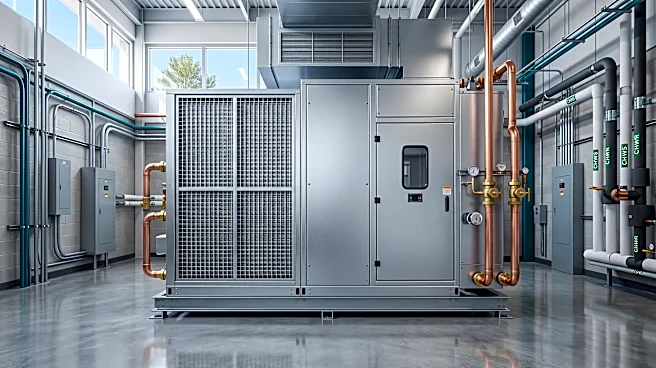
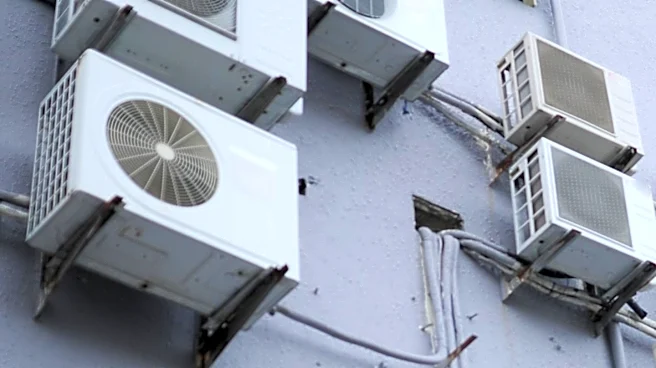
Plan Act (ARPA), supported 364 projects aimed at upgrading HVAC and plumbing systems in schools and small businesses across New Jersey. To date, $166.2 million has been disbursed, with final payments for 19 projects currently in progress. The program focused on improving indoor air quality and reducing operating costs by transitioning facilities from outdated systems to verified, code-compliant upgrades. Grants covered up to 75% of eligible costs, with a 25% local contribution, and prioritized underserved communities where at least 75% of students qualified for free or reduced-price meals. Approximately 96% of the funds, totaling $171.4 million, were allocated to HVAC work, while the remaining 4%, or $7.8 million, supported plumbing and appliance upgrades. About 40% of the total funding, $72.3 million, was directed to projects in underserved communities.
Why It's Important?
The conclusion of the SSB Program signifies a substantial investment in public health and energy efficiency infrastructure within New Jersey's educational and small business sectors. By upgrading HVAC and plumbing systems, the program has directly addressed critical issues such as indoor air quality, which became a heightened concern during the pandemic. Improved air quality in schools can lead to better learning environments and reduced health risks for students and staff. For small businesses, these upgrades translate into lower operating costs, enhancing their financial stability and competitiveness. The program's focus on underserved communities also highlights an effort to mitigate disparities in infrastructure quality, ensuring that areas with greater needs receive essential improvements. This initiative demonstrates how federal funding, through programs like ARPA, can be strategically deployed at the state level to achieve tangible, long-term benefits for local communities, fostering both economic resilience and public well-being.
What's Next?
While the SSB Program is officially closed, the NJBPU will continue to finalize payments for the remaining 19 projects, totaling approximately $13.0 million. The long-term impact of the program is expected to persist through the improved indoor air quality and lower operating costs for the 364 facilities that received upgrades. The NJBPU, as a state agency, will continue its mandate to ensure safe, adequate, and proper utility services for New Jersey customers, overseeing natural gas, electricity, water, wastewater, telecommunications, and cable television. The success and lessons learned from the SSB Program may inform future state-level initiatives aimed at leveraging federal funds for infrastructure improvements and energy efficiency, particularly in vulnerable communities. The ongoing monitoring of utility services and response to consumer complaints will remain a core function of the Board.
Beyond the Headlines
The SSB Program's emphasis on verified, code-compliant upgrades underscores a broader shift towards integrating public health considerations with infrastructure development. The requirement for certified energy auditors and qualified HVAC technicians to verify each project, including ventilation rate testing and CO2 monitoring, sets a precedent for rigorous standards in public facility improvements. This approach not only ensures immediate benefits but also establishes a framework for sustainable practices in building management. The program's dual focus on schools and small businesses recognizes their interconnected roles in community vitality; healthy learning environments contribute to a skilled workforce, while thriving small businesses drive local economies. This initiative reflects a strategic understanding that investments in infrastructure can yield multifaceted returns, extending beyond immediate economic relief to foster long-term community health and environmental stewardship.