
What's Happening?
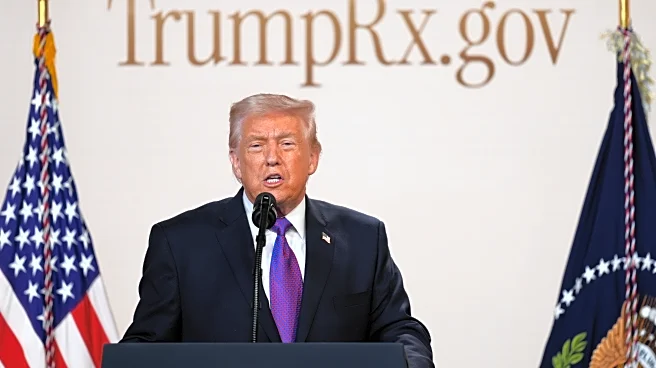
The Trump administration has introduced the 'Great Healthcare Plan,' a framework aimed at addressing healthcare affordability, drug prices, and insurance transparency. The plan includes funding for health savings
accounts and calls for Congress to codify pricing deals with pharmaceutical companies. Dr. Mehmet Oz, the administrator for the Centers for Medicare and Medicaid Services, emphasized the plan's potential to help Congress create effective legislation. However, analysts and policy experts have expressed skepticism, noting the plan's lack of detail and political constraints. Spencer Perlman, director of healthcare research at Veda Partners, suggested the plan is more about signaling action than delivering results.
Why It's Important?
The introduction of the 'Great Healthcare Plan' is significant as it attempts to address the ongoing issue of rising healthcare costs in the U.S. However, the skepticism from analysts highlights the challenges in implementing such reforms. The plan's lack of specifics and legislative pathways raises concerns about its effectiveness in providing immediate relief. The political hurdles and familiar ideas within the plan suggest that substantial changes to the healthcare system may be difficult to achieve, impacting millions of Americans who face high premiums and deductibles.
What's Next?
The plan's future depends on Congress's response and the administration's ability to provide more detailed legislative pathways. Bipartisan talks in the Senate regarding ACA subsidies continue, but without concrete legislative action, the plan may struggle to move beyond rhetoric. The administration's call for immediate congressional action will be crucial in determining the plan's success.