
What's Happening?
AAA predicts that approximately 1.7 million people in Arizona will travel during the six-day Thanksgiving holiday period, marking a 0.4% increase from last year's figures in the state. This local increase contrasts
with a national trend, as AAA forecasts a 0.1% decline in Thanksgiving travel across the country, ending a three-year streak of increasing holiday travel numbers. Nationally, nearly 81.5 million people are expected to travel at least 50 miles from home. David Caltabiano, spokesperson for AAA Mountain West Group, noted that while overall traveler numbers are slightly lower due to higher travel costs, projected volumes remain near record levels, meaning travelers will likely experience similar congestion on roads and at airports. Travel by car in Arizona is expected to see a 0.2% increase with 1.5 million Arizonans, while nationwide car travel is projected to decrease by 0.2%. Air travel for Arizonans is expected to exceed 100,000, with a national decrease of 0.2% to 5.96 million. Buses, trains, and cruises are projected to see a 4.1% increase nationwide, with 137,000 Arizonans utilizing these modes.
Why It's Important?
The slight increase in Arizona's Thanksgiving travel, against a national decrease, highlights regional economic and social dynamics. This divergence could indicate stronger consumer confidence or different travel priorities within Arizona compared to the rest of the U.S. The overall near-record travel volumes, despite higher costs, underscore the enduring importance of holiday gatherings for many Americans. Increased travel means potential economic boosts for the hospitality, retail, and transportation sectors in Arizona, while also posing challenges related to traffic congestion and demand for services. The data also reflects how economic factors, such as travel costs, influence consumer behavior during peak holiday periods, impacting various industries nationwide.
What's Next?
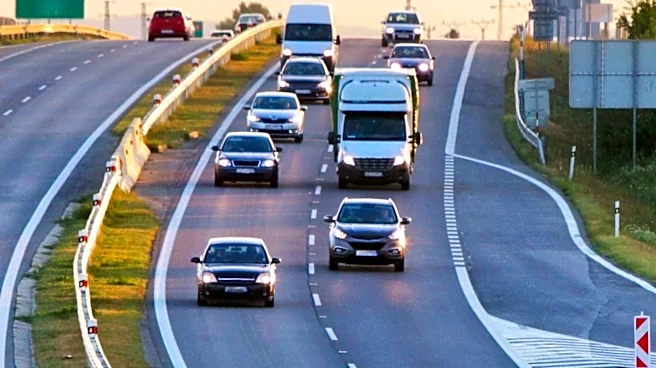
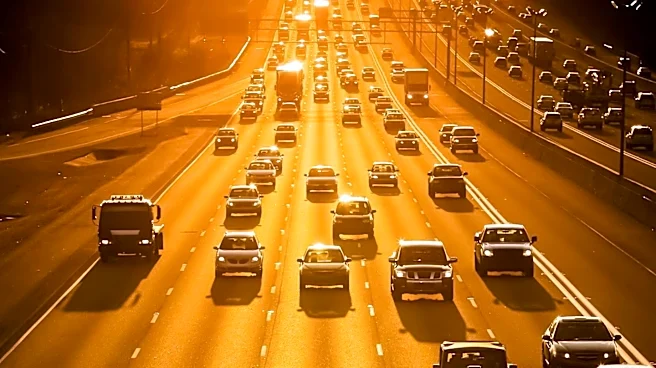
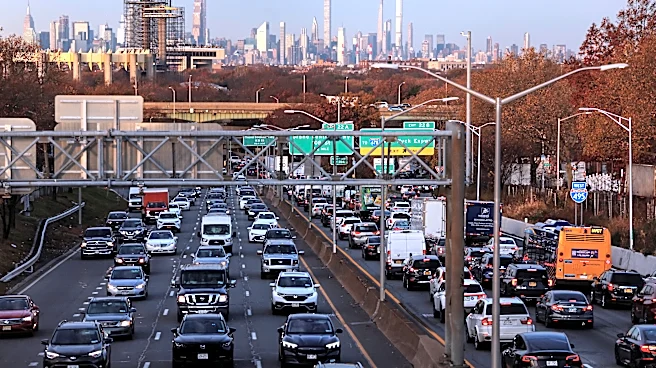
Travelers are advised that Tuesday and Wednesday before Thanksgiving, as well as Sunday and Monday after the holiday, will be the busiest days on the roads. AAA recommends that drivers consider traveling during morning hours to avoid peak traffic congestion. While a recent FAA ground stop temporarily halted flights nationwide, aviation experts and officials do not anticipate significant disruptions to Thanksgiving travel as a lingering effect. The travel industry will closely monitor these trends to adjust staffing and services, while consumers will need to plan their journeys carefully to mitigate potential delays and higher costs associated with holiday travel.
Beyond the Headlines
The resilience of holiday travel, even in the face of increased costs and minor disruptions, points to a deeper cultural value placed on family and social connections during Thanksgiving. This annual migration reflects a societal priority that often transcends economic pressures. The slight national decline, however, could signal a growing sensitivity to travel expenses, potentially leading to shifts in how and where people choose to celebrate in future years. This could influence long-term trends in domestic tourism and the strategies adopted by travel providers to attract consumers. The data also offers insights into regional economic health and consumer spending patterns, which are crucial for broader economic analysis.