







What's Happening?
New research published in the journal Environmental Science & Technology indicates that concentrations of sulfur hexafluoride (SF6), a potent climate super-pollutant, are rapidly accelerating in the Beijing region. While carbon dioxide, methane, and nitrous
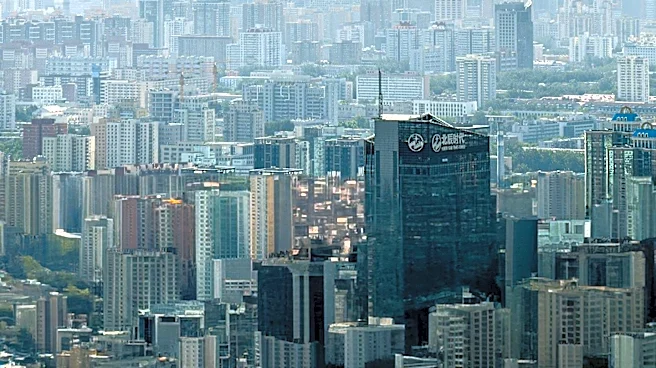
oxide concentrations have plateaued or declined due to local policies, SF6 emissions are surging. SF6 is 24,300 times more effective at warming the Earth's atmosphere than carbon dioxide. The study, conducted by researchers at the Chinese Academy of Sciences’ Institute of Atmospheric Physics, found that while the electric power sector is China’s leading national source of SF6, accounting for about 70 percent of emissions, semiconductor manufacturing in Beijing has become the primary local source. This increase is linked to the explosive growth of semiconductor manufacturing amid the AI boom, where SF6 is used for etching and cleaning processes.
Why It's Important?
The surge in SF6 emissions in Beijing, primarily driven by the semiconductor industry, presents a significant environmental challenge with global implications. SF6's extreme potency as a greenhouse gas means even small releases have a disproportionately large impact on climate change. For the U.S., this development highlights the interconnectedness of global industrial growth and climate efforts. As the U.S. and other nations push for decarbonization, rising emissions from key manufacturing hubs like Beijing can undermine these efforts. The reliance of the semiconductor industry on SF6 also points to a potential conflict between technological advancement (like AI) and environmental sustainability. This situation could prompt international discussions on regulating industrial emissions of super-pollutants and encourage the development and adoption of SF6 alternatives or more efficient abatement technologies globally, impacting U.S. semiconductor manufacturers and environmental policy.
What's Next?
The research findings have been compiled into a policy report, “Beware of Sulfur Hexafluoride Emissions Behind AI Industry Development,” which has been adopted by the Beijing Municipal Committee of the Chinese People’s Political Consultative Conference. This suggests that local authorities are aware of the issue and may consider targeted SF6 emission control measures for the power and semiconductor sectors. Potential next steps could include optimizing production processes, using alternative fluorine sources, and improving waste gas destruction in semiconductor manufacturing. Internationally, organizations like the World Semiconductor Council have committed to gradually reducing the emissions intensity of SF6. The U.S. Environmental Protection Agency has previously partnered with manufacturers to reduce fluorinated greenhouse gas emissions, indicating a precedent for such efforts. Future developments will likely involve a combination of regulatory actions, industry-led initiatives, and technological innovations to mitigate these emissions.
Beyond the Headlines
The escalating SF6 emissions in Beijing underscore a broader, less obvious implication: the environmental cost of the global technology race, particularly in artificial intelligence. As demand for advanced semiconductors grows, so does the potential for increased emissions of potent greenhouse gases if current manufacturing practices persist. This raises ethical questions about the sustainability of rapid technological advancement and the responsibility of tech-driven industries to adopt greener practices. It also highlights a blind spot in current decarbonization policies, which may not adequately address super-pollutants from specific industrial processes. The long-term shift could involve a re-evaluation of environmental regulations for high-tech manufacturing worldwide, potentially leading to higher production costs or a push for 'green' semiconductor manufacturing, which could influence global supply chains and the competitive landscape for tech companies, including those in the U.S.