




What's Happening?
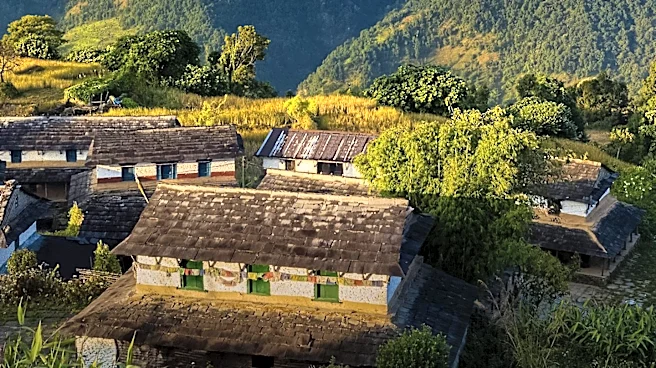
In the Annapurna trekking region, 25 tourists have died from altitude sickness during the fiscal year 2025/26. The victims included 12 Nepalis, nine Indians, and individuals from Japan, Mexico, Spain, and Singapore. The Annapurna Conservation Area Project
(ACAP) reported that most deaths occurred in Mustang and Manang, with additional fatalities at Annapurna Base Camp and Mardi Himal. Altitude sickness is prevalent in these high-altitude areas, often affecting those who ascend too quickly without proper acclimatization. The report also noted other trekking-related fatalities due to accidents such as falls.
Why It's Important?
The high number of deaths due to altitude sickness in the Annapurna region highlights the risks associated with high-altitude trekking. This issue underscores the need for better awareness and preventive measures among trekkers, particularly regarding acclimatization. The fatalities also impact the tourism industry, which is a significant economic contributor in Nepal. Ensuring the safety of tourists is crucial for maintaining the region's reputation as a premier trekking destination. The situation calls for improved safety protocols and education for both tourists and local guides.
What's Next?
Tourism authorities and local stakeholders may need to implement stricter guidelines for acclimatization and safety measures for trekkers. This could include mandatory briefings on altitude sickness and the importance of gradual ascent. The tourism industry might also consider promoting group treks with experienced guides to enhance safety. These steps could help reduce the incidence of altitude sickness and related fatalities, ensuring a safer trekking experience for visitors.