





What's Happening?
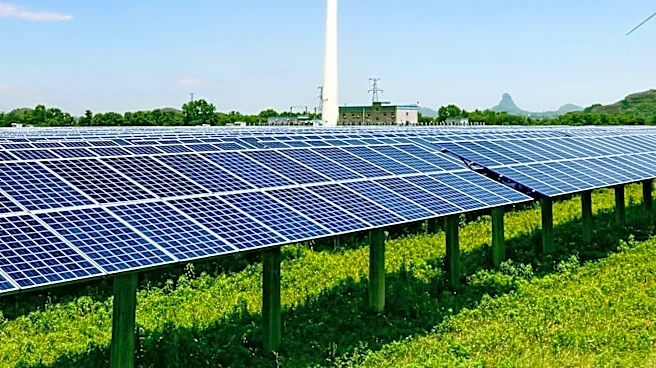
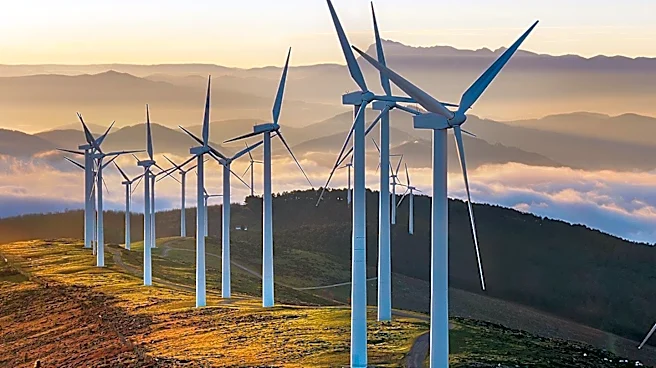
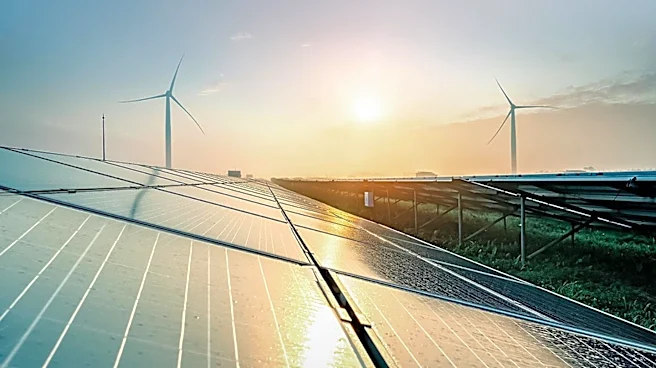
The German Cabinet has approved two significant energy laws aimed at transforming the renewable energy sector. The first is a revision of the Renewable Energy Sources Act (EEG), which will end the current feed-in tariff system by January 2027. This system has been
a cornerstone of Germany's renewable energy policy, providing fixed payments to producers of solar and wind energy. The second law, known as the Network Connection Package (NAP), seeks to enhance the integration of renewable energy into the market by accelerating grid expansion and digitalization. Economic Affairs Minister Katherina Reiche described these changes as a 'paradigm shift' in energy policy, emphasizing the need for renewable energy investments to be market-driven rather than subsidized.
Why It's Important?
The decision to phase out feed-in tariffs marks a significant shift in Germany's approach to renewable energy, potentially influencing global energy markets. By moving towards market-based incentives, Germany aims to reduce the financial burden on taxpayers and encourage more efficient energy production. This could lead to increased competition and innovation in the renewable sector, potentially lowering costs and improving technology. However, the transition may pose challenges for small-scale producers who have relied on subsidies. The broader impact on the U.S. could include shifts in energy policy discussions, as countries observe Germany's approach to balancing market forces with environmental goals.
What's Next?
As Germany implements these changes, the focus will be on how effectively the market can absorb and support renewable energy without subsidies. The transition period includes a temporary support mechanism for small solar installations, which will be crucial in maintaining investment levels. Stakeholders, including energy companies and environmental groups, will likely monitor the impact on energy prices and market stability. The success of this policy could influence other nations, including the U.S., to consider similar market-driven approaches to renewable energy.