






What's Happening?
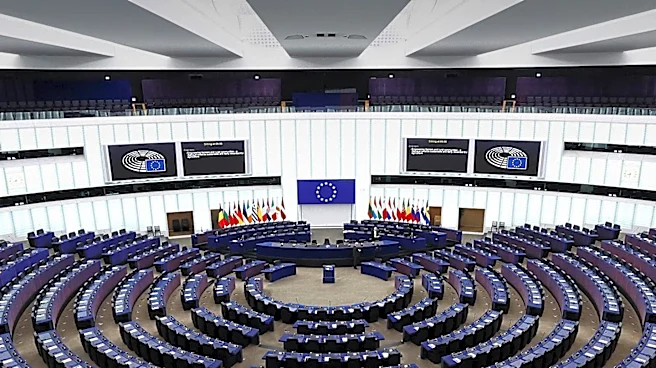
Members of the European Parliament (MEPs) are pushing for a significant overhaul of EU law to strengthen the European Public Prosecutor’s Office (EPPO). On Thursday, the Committees on Budgetary Control and Civil Liberties, Justice and Home Affairs jointly
adopted a legislative initiative report, with 63 votes in favor, 13 against, and 7 abstentions. This report urges the European Commission to revise the regulations governing the EPPO, aiming to make it more independent, better funded, and more efficient in investigating and prosecuting fraud and other crimes involving EU funds. Key proposals include allowing the EPPO to fill vacant prosecutor posts if member states fail to act, protecting delegated prosecutors from misuse of national disciplinary rules, and ensuring their statutory rights. MEPs also seek to empower the EPPO to retain 'mixed cases' where the leading offense impacts the EU's financial interests, even if other offenses do not. Additionally, they advocate for improved access to case files and legal assistance for suspects, and standardized data collection on case outcomes and recovered funds across member states.
Why It's Important?
This initiative is crucial for bolstering the integrity of the European Union's financial system and ensuring accountability for those who misuse EU funds. A stronger EPPO, as envisioned by the MEPs, would enhance the EU's capacity to combat organized crime and financial fraud, which often have cross-border implications. By closing information gaps and improving cooperation among various EU anti-fraud bodies like OLAF, Eurojust, and Europol, the proposed changes aim to create a more robust anti-fraud architecture. This could lead to more effective recovery of stolen EU funds, thereby protecting European taxpayers' money. The emphasis on judicial independence and safeguards for prosecutors is vital for maintaining the rule of law and preventing political interference in investigations. Furthermore, the call for standardized data will increase transparency and allow for better parliamentary scrutiny of anti-fraud efforts, ultimately strengthening democratic oversight within the EU.
What's Next?
The adopted report will now proceed to a plenary vote in the European Parliament, where it requires the support of a majority of all MEPs to be formally adopted. If approved, it will serve as Parliament’s official request to the European Commission under Article 225 of the Treaty on the Functioning of the EU. Following this, the Commission will have a three-month period to outline its intended follow-up actions. Should the Commission decide not to submit a legislative proposal based on the Parliament's request, it will be required to provide a detailed explanation for its decision. The outcome of the plenary vote and the Commission's subsequent response will determine the future trajectory of these proposed reforms for the European Public Prosecutor’s Office.
Beyond the Headlines
The push for a more powerful and independent EPPO reflects a broader concern within the EU regarding the effectiveness of current mechanisms to combat financial crime and corruption. This move could signify a shift towards greater centralization of prosecutorial powers at the EU level, potentially impacting national judicial autonomies. The debate around 'mixed cases' and the EPPO's jurisdiction highlights the ongoing tension between national sovereignty and EU-level enforcement. If successful, these reforms could set a precedent for further integration in criminal justice matters across the EU. Moreover, the emphasis on protecting delegated prosecutors from national disciplinary rules underscores a recognition of the vulnerabilities faced by those investigating powerful interests, pointing to a deeper commitment to safeguarding the independence of justice officials in sensitive cross-border cases. This initiative also implicitly acknowledges the evolving nature of financial crime, which often transcends national borders and requires a coordinated, supranational response.