
What's Happening?
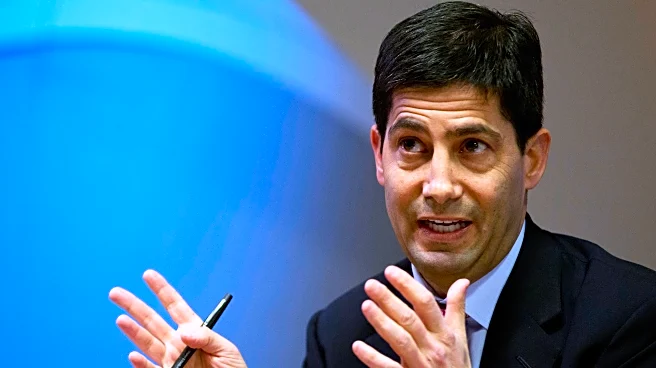
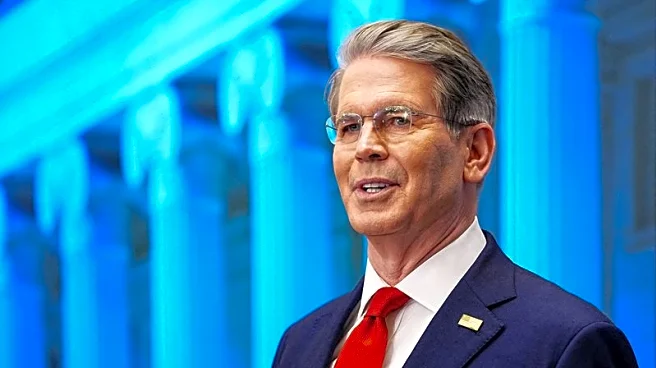
India's economic growth outlook is facing potential risks due to global macroeconomic uncertainty and prolonged financial market corrections, according to the country's chief economic adviser, V. Anantha
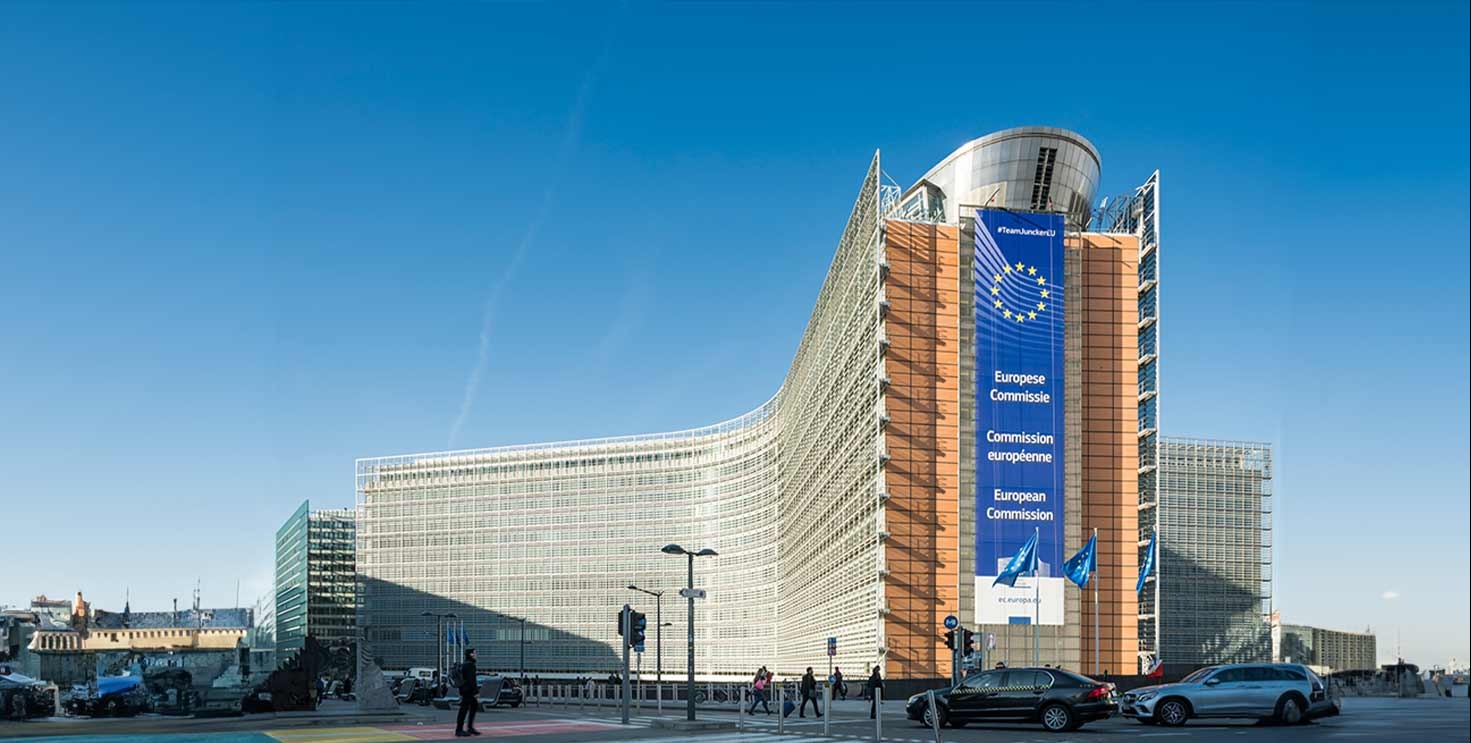
Nageswaran. The Indian economy is projected to grow between 6.8% and 7.2% for the next fiscal year, with a medium-term potential growth rate raised to about 7%. However, the Indian equity market experienced its steepest monthly fall in nearly a year, partly due to uncertainty over the India-U.S. trade pact, which has led to sustained foreign selling. The rupee also hit a record low, marking its worst month in over three years. President Trump imposed a 50% tariff on some Indian goods entering the U.S. in late August, adding to the trade tensions. Despite these challenges, India has been working on free trade agreements with the European Union, the UK, and Oman to mitigate external shocks.
Why It's Important?
The economic relationship between India and the U.S. is crucial, as trade tensions can significantly impact investment flows and market stability. The tariffs imposed by the U.S. have created uncertainty, affecting investor confidence and leading to capital outflows from India. This situation underscores the interconnectedness of global economies and the potential ripple effects of trade policies. For the U.S., maintaining stable trade relations with India is important for geopolitical and economic reasons, as India is a significant emerging market. The ongoing trade negotiations and agreements with other countries highlight India's strategy to diversify its trade partnerships and reduce dependency on any single market, which could influence global trade dynamics.
What's Next?
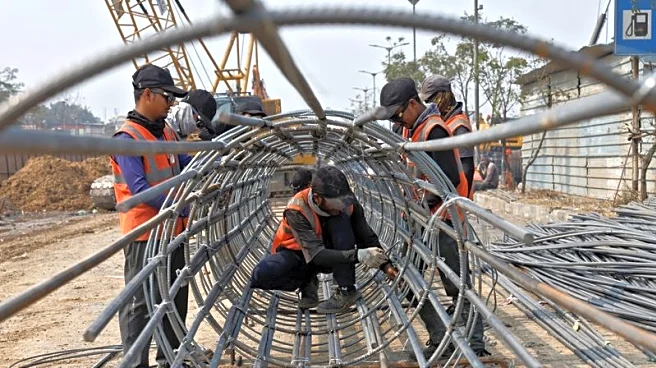
India's Finance Minister Nirmala Sitharaman is set to present the budget for 2026-27, which is expected to focus on bolstering economic growth and shielding the country from external shocks through policy reforms. The resolution of tariff issues with the U.S. could lead to increased investments from both Indian and foreign businesses. Additionally, the implementation of free trade agreements with the EU, UK, and Oman could open new markets for Indian businesses, particularly in labor-intensive sectors. The global financial markets and geopolitical developments will continue to be closely monitored, as they could further influence India's economic trajectory.