





What's Happening?
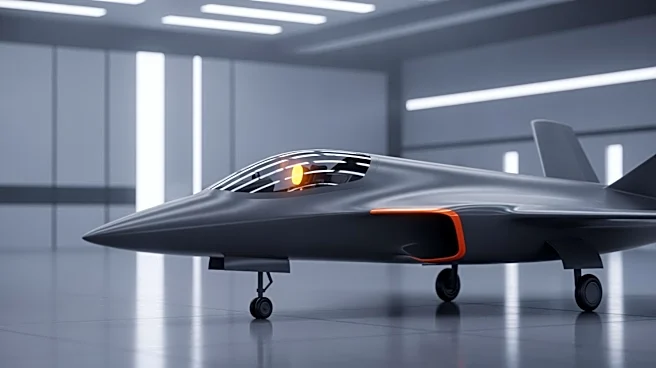
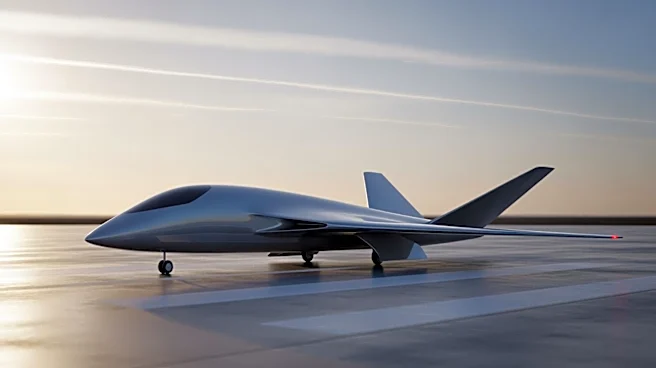
NASA's X-59 supersonic technology demonstrator has resumed its testing schedule after a cockpit warning light cut short its second flight on March 20, 2026. The aircraft, part of NASA's Quiet Supersonic Technology (Quesst) mission, aims to reduce the
traditional sonic boom to a softer 'thump.' The X-59 relies on a camera-based eXternal Vision System for forward visibility. After resolving the warning light issue, which was due to an incorrect instrument installation, the aircraft completed back-to-back flights on March 26 and 27, reaching altitudes of over 13,000 feet and speeds of 290 knots. The testing phase focuses on expanding the flight envelope towards a target of 60,000 feet and Mach 1.5.
Why It's Important?
The successful resumption of the X-59's testing is a significant step forward in NASA's efforts to develop quieter supersonic travel. This technology could revolutionize air travel by allowing supersonic flights over land without disturbing communities with loud sonic booms. The project also represents a collaboration between NASA and Lockheed Martin Skunk Works, highlighting the importance of public-private partnerships in advancing aerospace technology. If successful, the X-59 could pave the way for new regulations and standards in supersonic travel, potentially opening up new markets and opportunities in the aviation industry.
What's Next?
The next phase of the X-59's testing will involve further expanding its flight envelope and assessing its low-boom sound levels. NASA plans to conduct overflights to gather public response data, which will be crucial in determining the aircraft's impact on communities. The results could influence future regulations on supersonic travel and help shape the development of commercial supersonic aircraft. Stakeholders in the aviation industry, including airlines and manufacturers, will be closely monitoring the outcomes of these tests as they consider the potential for integrating supersonic technology into their operations.