






What's Happening?
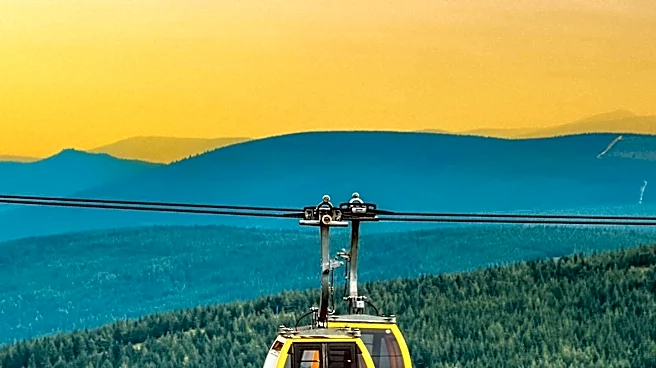
Governor Josh Green of Hawaii has signed a new law that bans the construction and operation of private passenger or cargo ropeways, including gondolas, aerial lifts, and tramway lifts across the state. This legislation comes in response to a proposed
gondola project by Kaukonahua Ranch on the slopes of Mount Ka‘ala on O‘ahu’s North Shore. The project, part of the Kamananui Agribusiness Project, aimed to attract tourists for sightseeing and cultural education. However, it faced significant opposition from local residents, neighborhood boards, and the military. The Honolulu Department of Planning and Permitting also denied a conditional permit for the project. The new law is seen as a victory for the community, with Neighborhood Board Chair Kathleen Pahinui expressing relief and satisfaction over the decision.
Why It's Important?
The ban on gondolas in Hawaii represents a significant shift in the state's approach to development and tourism. By prohibiting such projects, the state is prioritizing the preservation of its natural landscapes and the concerns of local communities over potential economic benefits from increased tourism. This decision could set a precedent for how Hawaii handles future development projects, balancing economic interests with environmental and community considerations. The law also reflects growing resistance to large-scale tourism projects that may disrupt local ecosystems and community life. For the residents of O‘ahu’s North Shore, this law is a protective measure against unwanted changes to their environment and lifestyle.
What's Next?
With the new law in place, the future of the land previously intended for the gondola project remains uncertain. Kaukonahua Ranch, the current manager of the property, has not yet announced any alternative plans. The company’s General Manager, Skip Taylor, has declined to comment on the next steps. The decision may prompt other developers to reconsider similar projects in Hawaii, potentially leading to a reevaluation of how tourism and development are approached in the state. Community groups and environmental advocates are likely to remain vigilant, ensuring that future projects align with the new legal framework and community interests.