
What's Happening?
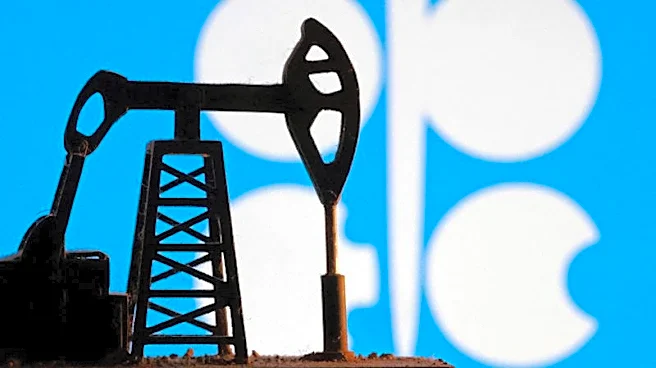
The Leviathan offshore natural gas field in Israel has resumed operations after a shutdown lasting over 30 days due to security concerns related to the ongoing conflict with Iran. The Ministry of Energy and Infrastructure announced the decision to restart
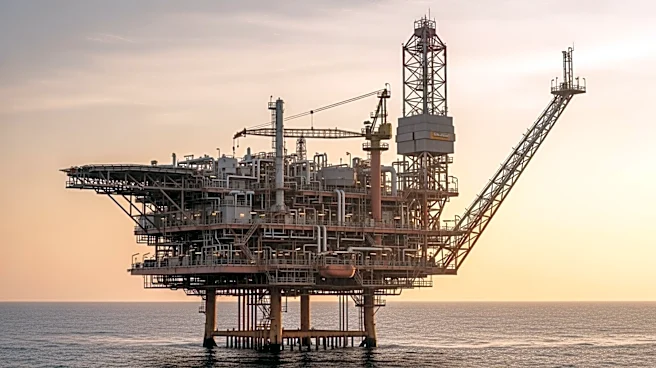
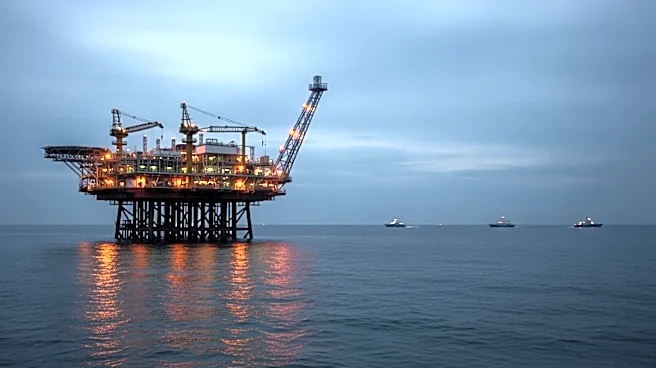
operations following a comprehensive assessment of the situation. The resumption is expected to boost the supply of natural gas to Israel's domestic economy and its exports to neighboring countries such as Egypt and Jordan. The shutdown had led to increased reliance on coal and diesel for electricity production, significantly impacting the country's energy costs. The Karish platform, another critical component of Israel's energy infrastructure, remains closed due to its proximity to areas of heightened security risk.
Why It's Important?
The reopening of the Leviathan gas field is crucial for Israel's energy security and economic stability. The shutdown had cost the country approximately NIS 1.5 billion in lost electricity production, reduced gas royalties, and decreased asset values. The resumption of operations is expected to alleviate some of these financial burdens and restore a more stable energy supply. Additionally, the move is significant for regional energy dynamics, as both Egypt and Jordan rely on Israeli gas, and recent disruptions have led to energy shortages and blackouts in these countries. The decision underscores the delicate balance Israel must maintain between energy production and security considerations.
What's Next?
The focus will likely shift to the potential reopening of the Karish platform, which remains a critical part of Israel's energy infrastructure. Energean, the operator of the Karish platform, is in ongoing discussions with the Ministry of Energy and security authorities to assess the feasibility of resuming operations. The situation remains fluid, with security assessments playing a pivotal role in determining the timeline for Karish's return to production. The Israeli government and energy companies will need to continue navigating the complex interplay of security risks and energy needs.