







What's Happening?
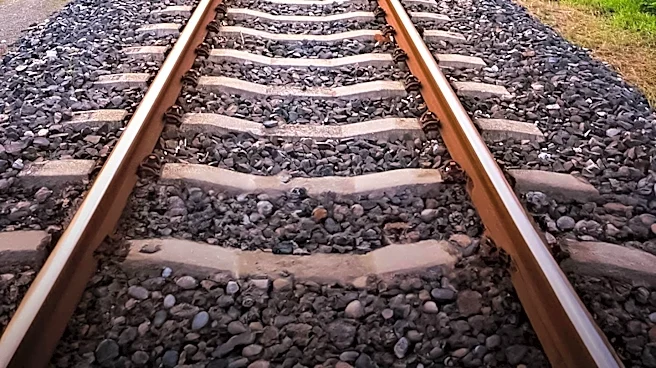
Rail services across England are facing disruptions due to a heatwave causing soil shrinkage, which affects the stability of railway tracks. The phenomenon, known as 'soil moisture deficit,' results from prolonged dry weather, leading to the contraction
of clay soils that support railway embankments. This has prompted several rail operators, including South Western Railway and Greater Anglia, to implement timetable changes and speed restrictions to ensure safety. The affected routes include those in Cambridgeshire, Norfolk, Essex, and parts of the Elizabeth line in London. Network Rail is employing engineering solutions, such as using tampers to stabilize tracks, to mitigate the impact.
Why It's Important?
The disruptions highlight the vulnerability of infrastructure to extreme weather conditions, a growing concern amid climate change. The need for adaptive measures in rail transport is becoming increasingly urgent as heatwaves become more frequent. The situation underscores the importance of investing in resilient infrastructure to maintain service reliability and safety. For commuters, these disruptions mean longer travel times and potential inconvenience, emphasizing the broader societal impacts of climate-related challenges. The rail industry's response to these conditions will be crucial in shaping future infrastructure policies and investments.