






What's Happening?
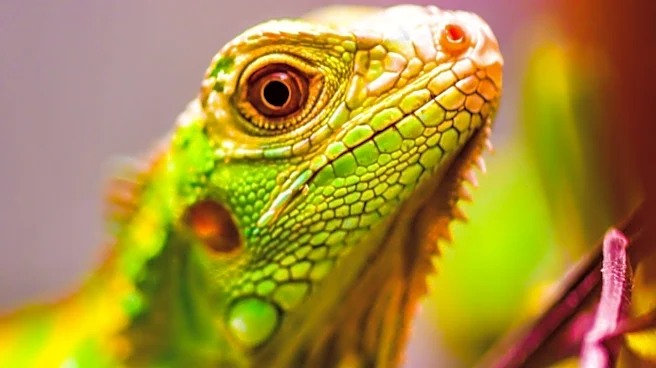
U.S. Customs and Border Protection (CBP) officers at the San Ysidro Port of Entry uncovered a reptile smuggling operation, leading to the arrest of Georgina Bribiesca Chavez, 66, of Tijuana. Chavez was apprehended while attempting to cross into the U.S. in a Volkswagen
containing four venomous pit vipers, three caimans, a baby crocodile, and over 60 other reptiles hidden in a compartment behind the rear bench seat. The discovery was made after an arrest warrant for Chavez, related to a long-term wildlife trafficking investigation, was identified during a routine identification check. Her vehicle was seized, and a subsequent inspection revealed the concealed animals in pillowcases. This arrest is part of a larger federal investigation into a years-long scheme involving Chavez and her alleged trafficking partner, Salvador Pelayo, 28, of Chula Vista, who was arrested in July. Prosecutors state that the pair trafficked exotic reptiles into and out of the U.S. to sell to American buyers, making tens of thousands of dollars in profits.
Why It's Important?
This incident highlights the ongoing challenges faced by U.S. border security in combating wildlife trafficking, which poses significant threats to both conservation efforts and public health. The illegal trade of exotic animals can introduce non-native species into ecosystems, potentially disrupting local biodiversity and spreading diseases. The involvement of venomous reptiles, such as pit vipers, also presents a direct danger to the public and border agents. Furthermore, the sophisticated methods used by smugglers, such as custom compartments in vehicles, underscore the need for advanced detection technologies and intelligence-sharing between law enforcement agencies. The financial gains from such operations indicate a lucrative black market, which can fund other illicit activities. The deaths of some of the smuggled animals, including three caimans, also raise ethical concerns about animal welfare during these trafficking attempts.
What's Next?
Georgina Bribiesca Chavez is currently in federal custody and is scheduled for a preliminary hearing on August 27. Salvador Pelayo's next court date is in October. Both have pleaded not guilty to federal charges related to exotic wildlife trafficking. The remaining animals recovered from Chavez's vehicle are stable and under the care of the San Diego Zoo. Federal investigators will likely continue to pursue leads to dismantle the broader network involved in this trafficking scheme, potentially identifying more individuals and routes used for illegal wildlife trade. This case may also lead to increased scrutiny and enforcement efforts at U.S. ports of entry to detect similar smuggling attempts. The legal proceedings will determine the penalties for Chavez and Pelayo, which could include significant fines and imprisonment, serving as a deterrent to others involved in wildlife trafficking.
Beyond the Headlines
The case of Chavez and Pelayo sheds light on the complex and often brutal realities of the illegal wildlife trade, which is estimated to be a multi-billion dollar industry globally. Beyond the immediate legal consequences, such incidents underscore the broader implications for global biodiversity and the integrity of ecosystems. The demand for exotic pets and animal products in the U.S. fuels these illicit activities, creating a market that traffickers exploit. This trade often involves the capture of animals from their natural habitats, contributing to the decline of endangered species. The use of undercover agents and long-term investigations, as seen in this case, demonstrates the commitment of U.S. authorities to combat this sophisticated form of organized crime. The collaboration between law enforcement and institutions like the San Diego Zoo is crucial for the rescue and rehabilitation of trafficked animals, as well as for providing expert testimony in legal proceedings.