






What's Happening?
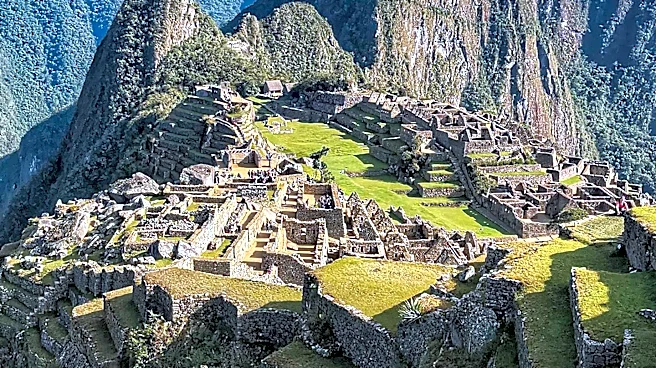
Peru is actively promoting responsible tourism to ensure the preservation of its natural beauty and rich cultural heritage for future generations, while also supporting local communities. The country encourages eco-friendly tourists to engage in practices
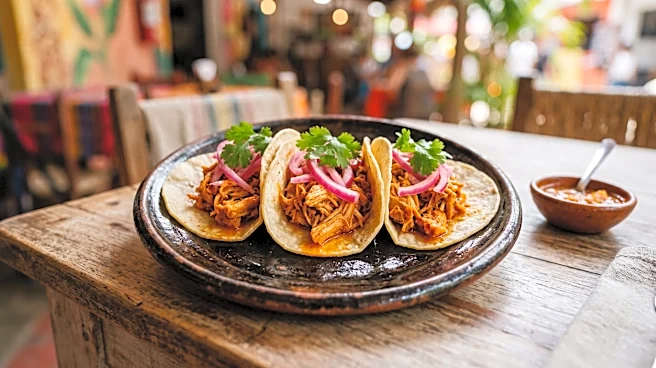
that minimize negative impacts and maximize positive contributions. This includes respecting Peruvian culture and traditions, such as dressing modestly at sacred sites and seeking permission before photographing individuals. Tourists are urged to support the local economy by choosing locally-owned accommodations, dining at local restaurants, and purchasing goods from local artisans. Furthermore, visitors are advised to select sustainable tour operators that prioritize ethical guidelines, minimize environmental footprints, and support local initiatives, particularly those that ensure fair treatment and wages for porters on treks like the Inca Trail. Efforts also focus on minimizing plastic waste, conserving natural resources, maintaining respectful distances from wildlife, and disposing of waste responsibly.
Why It's Important?
The emphasis on responsible tourism in Peru is crucial for several reasons. Firstly, it directly contributes to the protection of Peru's unique ecosystems, ranging from the Amazon rainforest to the Andes Mountains, which are home to diverse wildlife. By encouraging conservation of natural resources and responsible waste disposal, the environmental impact of tourism is mitigated. Secondly, it provides vital economic support to local communities, ensuring that tourism revenue directly benefits the people who live in and around popular tourist destinations. This helps in poverty reduction and fosters a sense of ownership and pride among locals in preserving their heritage. Thirdly, it helps maintain the integrity of Peru's rich cultural heritage, including ancient Incan sites and indigenous traditions, by promoting respectful engagement. This approach ensures that tourism is a force for good, contributing to the long-term sustainability of both the environment and local societies.
What's Next?
Peru is expected to continue strengthening its responsible tourism initiatives, potentially through enhanced public awareness campaigns targeting both international visitors and local operators. There may be further development of certification programs for sustainable tour operators and accommodations, making it easier for tourists to identify and choose ethical options. The government and tourism boards might also invest in infrastructure that supports eco-friendly practices, such as improved waste management systems in remote areas and the promotion of renewable energy sources in tourist facilities. Additionally, educational programs for tourists on cultural sensitivity and environmental stewardship could be expanded. The goal is to solidify Peru's reputation as a leading destination for responsible and sustainable travel, attracting visitors who value authentic experiences and contribute positively to the country's well-being.
Beyond the Headlines
Beyond the immediate practicalities, Peru's commitment to responsible tourism reflects a deeper understanding of the interconnectedness between tourism, environment, and culture. It highlights a global trend where destinations are increasingly recognizing the need to manage tourism sustainably to avoid the pitfalls of over-tourism and cultural erosion. This approach encourages a more mindful form of travel, where visitors become active participants in conservation and cultural exchange rather than passive consumers. The long-term implications include fostering a more respectful relationship between travelers and host communities, promoting cross-cultural understanding, and inspiring other nations to adopt similar sustainable tourism models. It also underscores the ethical responsibility of the tourism industry to contribute positively to the destinations it operates in, ensuring that the benefits of travel are shared equitably and sustainably.