




What's Happening?
The integration of AI agents into smart home systems is moving beyond simple voice commands to enable more sophisticated, context-aware automation. Unlike traditional voice assistants such as Alexa or Google Home, AI agents are defined as software capable
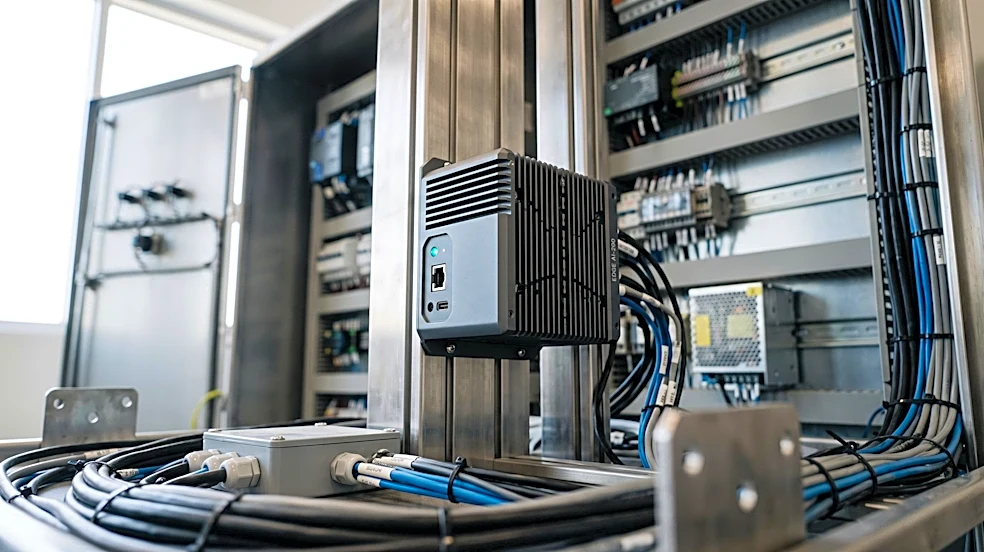
of reasoning, executing multi-step actions, utilizing external APIs, and responding to contextual cues rather than just direct commands. For instance, an AI agent can analyze a user's typical departure time, calendar appointments, and real-time traffic data to proactively send a notification about an earlier departure without prior setup. Home Assistant is emerging as a key local integration layer, allowing users to query their home's state history using natural language models without sending data to cloud services. This local processing capability, often enhanced by hardware like the Google Coral USB Accelerator for specific tasks like object detection in camera systems, enables more intelligent and private home automation experiences. This shift allows for more reliable presence detection, anomaly detection in energy usage, and personalized morning summaries.
Why It's Important?
This evolution in smart home technology signifies a significant leap from reactive automation to proactive, intelligent environments. The ability of AI agents to understand context and perform multi-step actions can lead to more efficient energy management, enhanced home security, and a more personalized living experience. For consumers, this means less manual configuration and more intuitive home systems that adapt to their routines and needs. The emphasis on local processing through platforms like Home Assistant also addresses growing concerns about data privacy and security, as sensitive home data remains on local networks rather than being transmitted to third-party cloud servers. This could foster greater trust and adoption among users wary of cloud-based solutions. Furthermore, the development of specialized hardware for edge inference, such as the Coral Accelerator, makes advanced AI capabilities more accessible and energy-efficient for home use, potentially driving innovation in the smart home industry and creating new market opportunities for hardware and software developers.
What's Next?
The future of AI agents in smart homes will likely see continued advancements in local processing capabilities and the development of more sophisticated contextual understanding. As hardware becomes more powerful and efficient, the ability to run complex AI models locally will expand, further reducing reliance on cloud services and enhancing privacy. We can expect to see more seamless integration of various home sensors and devices, allowing AI agents to create a truly unified and intelligent home ecosystem. Further development in natural language processing will enable more intuitive interactions, making it easier for users to manage and customize their smart homes without technical expertise. Additionally, the adoption of open-source platforms like Home Assistant may accelerate, fostering a community-driven approach to innovation and customization. This could lead to a wider array of specialized AI applications tailored to specific user needs and preferences, moving beyond generic smart home functionalities.
Beyond the Headlines
The shift towards AI agents in smart homes raises deeper implications regarding the autonomy of our living spaces and the nature of human-technology interaction. As homes become more intelligent and proactive, questions about user control, algorithmic bias, and the potential for over-automation will become more prominent. There's a delicate balance between convenience and the desire for human agency in one's own environment. The reliance on local processing, while beneficial for privacy, also places more responsibility on users for system maintenance and security. Furthermore, the development of AI agents that can anticipate needs and make decisions could subtly reshape daily routines and habits, leading to a re-evaluation of how we interact with our personal spaces. This technological evolution could also spur new ethical discussions around data ownership, the 'right to disconnect' from an ever-present intelligent home, and the long-term psychological impacts of living in environments that constantly adapt to our behaviors.