







What's Happening?
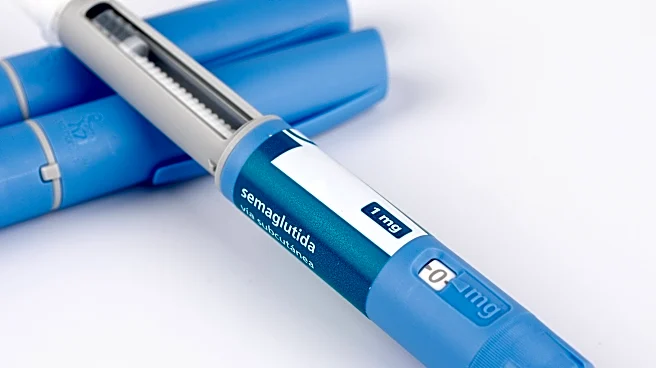
A study from the University of Pennsylvania's Perelman School of Medicine has found that women taking GLP-1 medications, commonly used for weight loss, are 30% less likely to develop breast cancer. The analysis involved over 110,000 women aged 45 to 80,
revealing that these drugs, while not originally designed for cancer therapy, affect pathways associated with cancer development. The findings suggest potential for GLP-1 drugs as preventive treatments for high-risk women, although further clinical trials are needed to confirm their efficacy in cancer prevention.
Why It's Important?
Breast cancer accounts for about 30% of all new female cancers annually, with over 320,000 expected cases this year in the U.S. The study's findings could lead to new preventive strategies for breast cancer, particularly for women at high risk due to obesity or family history. GLP-1 drugs, already popular for weight loss, could offer a dual benefit by reducing cancer risk, potentially transforming cancer prevention approaches. This research underscores the importance of exploring existing medications for new therapeutic uses, which could enhance cancer prevention efforts and improve public health outcomes.
What's Next?
The study's results warrant further investigation through clinical trials to assess the preventive potential of GLP-1 drugs against breast cancer. Researchers aim to explore the metabolic effects of these drugs on cancer development, which could lead to new preventive measures for high-risk populations. If successful, this could expand the use of GLP-1 medications beyond weight loss, offering a novel approach to cancer prevention and potentially reducing the incidence of breast cancer.