
What's Happening?
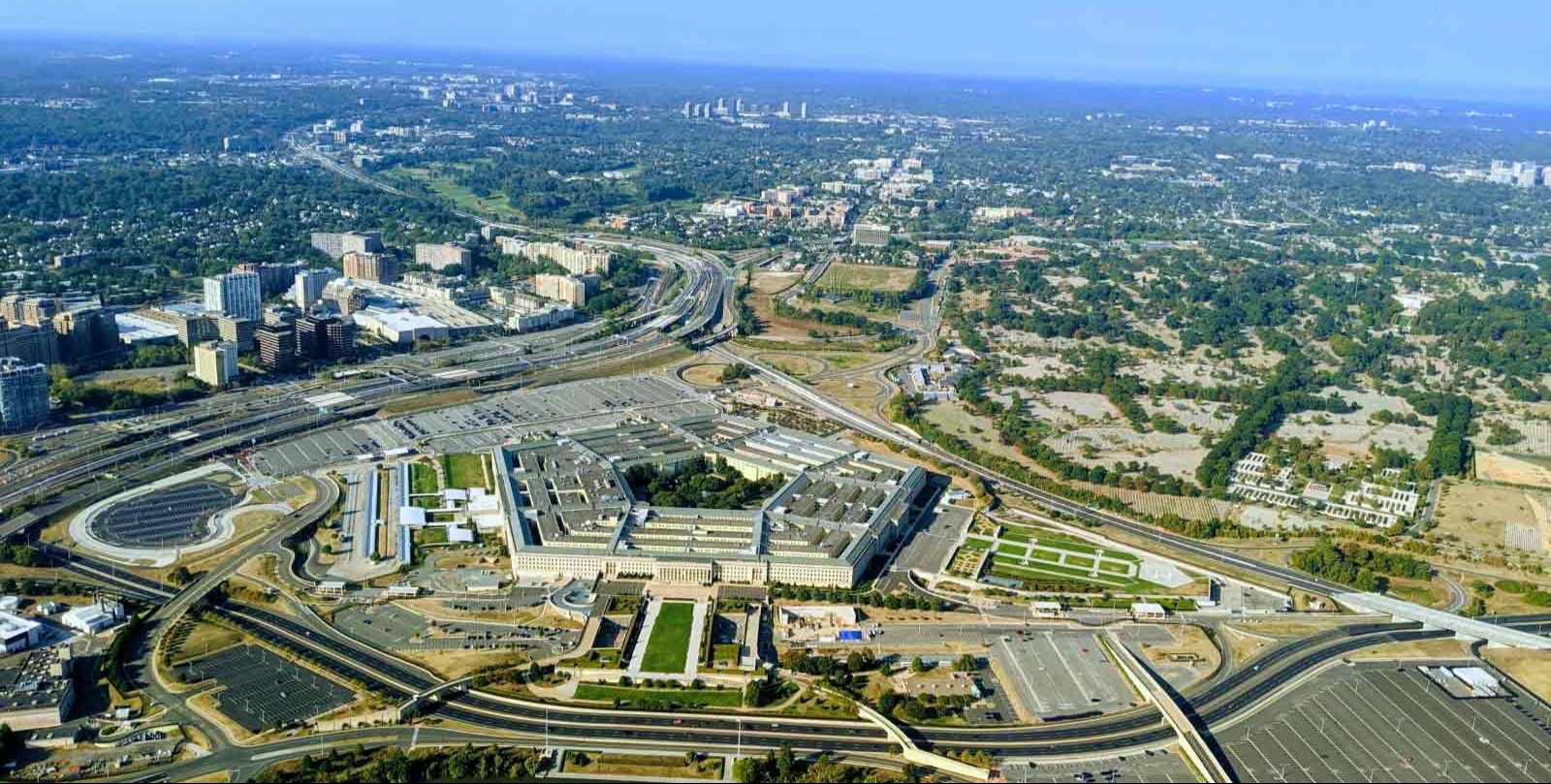
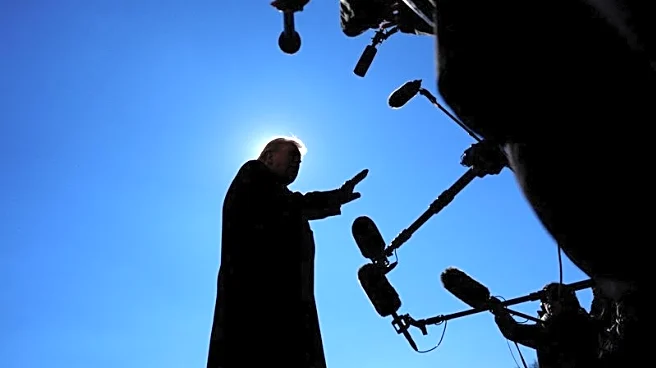
Defense Secretary Pete Hegseth's use of Christian rhetoric has come under renewed scrutiny following the U.S. and Israel's military engagement with Iran. Hegseth, known for his conservative evangelical views, has integrated religious elements into his role
at the Pentagon, including hosting Christian worship services and using Bible verses in military promotional materials. His recent comments at a Pentagon briefing, where he referred to Iran's leaders as 'religious fanatics' and recited Psalm 144, have sparked debate about the influence of his faith on military policy. Critics, such as Matthew D. Taylor from Georgetown University, argue that Hegseth's rhetoric could exacerbate tensions with Iran, a predominantly Muslim nation. Allegations have also surfaced, though unverified, that U.S. military commanders have cited biblical prophecies in the context of the conflict.
Why It's Important?
The intersection of religion and military policy under Hegseth's leadership raises significant concerns about the secular nature of the U.S. military. His approach could potentially alienate service members of diverse faiths and undermine the military's commitment to pluralism. The situation also highlights broader geopolitical implications, as religiously charged rhetoric may intensify hostilities with Iran and complicate diplomatic efforts. Furthermore, Hegseth's policies, such as banning transgender troops and curtailing diversity initiatives, reflect a shift towards a more conservative military ethos, which could impact recruitment and retention of a diverse force.
What's Next?
The ongoing conflict with Iran and Hegseth's leadership style may prompt further scrutiny from Congress and advocacy groups. Calls for investigations into the alleged use of biblical prophecies by military commanders could lead to formal inquiries. Additionally, Hegseth's plans to reform the military chaplain corps to emphasize religious focus may face resistance from those advocating for a more inclusive approach. The outcome of these developments could influence future military policies and the role of religion in the armed forces.
Beyond the Headlines
Hegseth's actions reflect a broader cultural and political shift towards Christian nationalism within certain segments of the U.S. government. This trend raises questions about the separation of church and state and the potential for religious beliefs to shape public policy. The implications extend beyond the military, as similar dynamics could influence other areas of governance and societal norms. The situation underscores the need for ongoing dialogue about the role of religion in public life and its impact on national and international affairs.