






What's Happening?
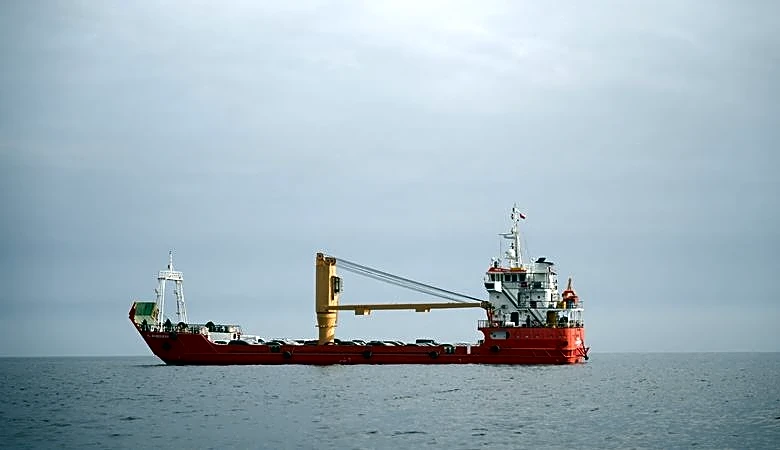
The United States has announced a blockade of Iranian ports starting Monday, leading to a significant rise in oil prices. U.S. crude oil prices increased by 8% to $104.24 per barrel, while Brent crude oil rose by 7% to $102.29. The blockade, enforced
by U.S. Central Command, will apply to vessels of all nations entering or departing Iranian ports and coastal areas, including those on the Persian Gulf and Gulf of Oman. However, ships traveling between non-Iranian ports will still be allowed to transit the Strait of Hormuz, a crucial waterway for global oil shipping. The Strait of Hormuz sees around a fifth of the world's traded oil flow through it daily, with major exporters like Saudi Arabia, Iraq, the UAE, Kuwait, and Iran relying on this route. The blockade comes amid ongoing peace talks and follows a period of fluctuating oil prices due to the Iran war.
Why It's Important?
The blockade of Iranian ports by the U.S. is expected to tighten oil markets further, potentially leading to higher global oil prices. This move could impact economies worldwide, as oil is a critical commodity for energy and transportation. The decision may serve as a negotiation tactic in ongoing peace talks, aiming to pressure Iran economically. However, experts warn that while it might be effective in the long term, it could exacerbate current market strains, affecting consumers globally. The blockade's impact on oil prices could lead to increased costs for businesses and consumers, influencing inflation rates and economic stability in various countries.
What's Next?
The blockade is likely to influence ongoing negotiations between the U.S. and Iran, with potential implications for global oil supply and prices. Stakeholders, including oil-exporting countries and international businesses, will be closely monitoring the situation. The U.S. may face diplomatic challenges as it enforces the blockade, potentially affecting relations with other nations involved in oil trade. The outcome of peace talks and the blockade's duration will be critical in determining future oil market dynamics and geopolitical relations in the region.
Beyond the Headlines
The blockade highlights the strategic importance of the Strait of Hormuz in global oil trade and the geopolitical tensions surrounding it. The U.S. decision underscores the complex interplay between energy security and international diplomacy. Long-term implications could include shifts in global oil supply routes and increased investment in alternative energy sources as countries seek to mitigate reliance on volatile regions. The situation also raises ethical questions about the use of economic pressure in international relations and its impact on civilian populations.