






What's Happening?
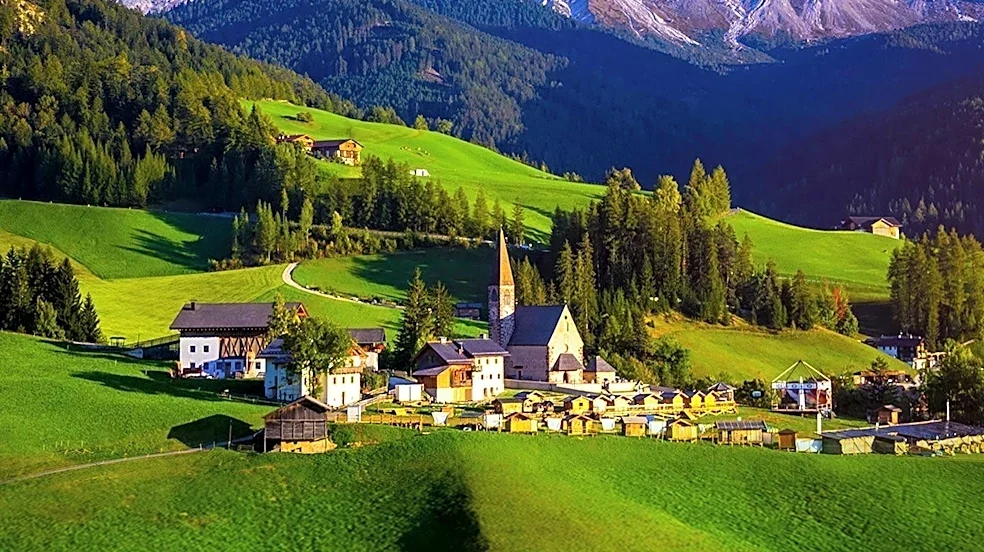
The Dolomites in South Tyrol are facing significant threats from overtourism, jeopardizing their UNESCO World Heritage status. The region, renowned for its natural beauty, has become a magnet for tourists, leading to excessive traffic and environmental
strain. Visitors, often in cars, motorcycles, and sports cars, flock to areas like the Grödner Joch, creating noise pollution and a sense of superficial engagement with the landscape. Local residents, such as Valentine Kostner, express concern that many tourists merely 'consume' the mountains by taking a photo and immediately leaving, rather than appreciating the monumental scenery. This mass tourism is putting immense pressure on the delicate ecosystem and the quality of life for those who live there, raising urgent questions about how much tourism the UNESCO World Heritage site can sustain before irreversible damage occurs.
Why It's Important?
The situation in the Dolomites serves as a critical case study for U.S. national parks and other natural heritage sites that are experiencing increasing visitor numbers. The degradation of a UNESCO World Heritage site due to overtourism highlights the delicate balance between economic benefits from tourism and the imperative of preservation. For the U.S., this underscores the need for robust management strategies to protect its own natural wonders, many of which are also UNESCO sites or similarly protected areas. The 'consumption' of natural landscapes, where visitors prioritize quick photo opportunities over deeper engagement, can lead to overcrowding, infrastructure strain, and a diminished experience for all. This could prompt U.S. park authorities and policymakers to re-evaluate current visitor management plans, potentially exploring measures like timed entry, increased public transportation, or educational campaigns to foster more respectful and sustainable tourism practices. Failure to address these issues could lead to similar threats to the ecological and experiential integrity of U.S. natural treasures.
What's Next?
The immediate future for the Dolomites involves an urgent need for intervention to mitigate the effects of mass tourism. While the source does not specify concrete upcoming actions, the growing concern from residents and the potential loss of UNESCO status suggest that local authorities will likely be pressured to implement stricter regulations. This could include traffic restrictions on popular pass roads, increased investment in public transport alternatives, or the introduction of visitor quotas for sensitive areas. Discussions will likely focus on finding a balance that allows for tourism while preserving the natural environment and the quality of life for residents. The challenge will be to develop 'tailor-made' solutions, as each region has unique characteristics. The outcome in the Dolomites could set a precedent for how other natural heritage sites globally, including those in the U.S., approach the complex issue of managing visitor impact.
Beyond the Headlines
The struggle in the Dolomites reflects a broader global tension between economic development through tourism and the preservation of natural and cultural heritage. Beyond the immediate environmental impact, overtourism can erode the authentic character of a place, transforming it into a commodity rather than a living landscape. The 'consumption' mentality described by residents points to a cultural shift in how people interact with nature, often driven by social media and a desire for quick experiences. This raises ethical questions about the responsibility of tourists and the tourism industry to foster deeper appreciation and respect for destinations. For the U.S., this implies a need for educational initiatives that promote responsible travel and a re-evaluation of marketing strategies that might inadvertently encourage superficial engagement. The long-term shift required is not just about managing numbers, but about cultivating a culture of mindful tourism that values preservation as much as visitation.