






What's Happening?
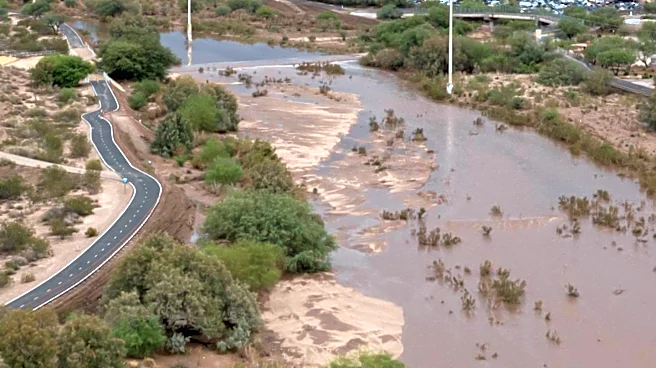
Arizona is currently experiencing its monsoon season, which typically runs from June 15 to September 30. This seasonal wind shift brings increased humidity, leading to thunderstorms and heavy rainfall across Arizona, New Mexico, and parts of Utah. A Level
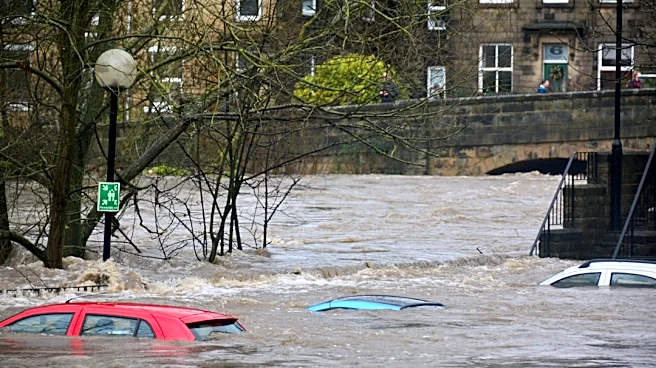
2 out of 4 flash flood threat is in effect for these regions. Recent storms have already caused significant damage in areas like Tucson, Arizona, where strong winds and rain uprooted numerous trees, leading to widespread power outages. Residents are cleaning up from these events, with some describing the storms as the most intense they have witnessed. Arborists note that certain tree species, particularly non-native ones like eucalyptus with shallow roots, are more susceptible to being toppled during these monsoon microbursts. Native trees like mesquites and palo verdes generally have stronger root systems, though hybrid variations and watering practices can affect their resilience.
Why It's Important?
The monsoon season is crucial for the arid Southwest, providing much-needed moisture to the parched landscape. However, the intensity of these storms also poses significant risks. Flash flooding can devastate communities, erode soil, and disrupt infrastructure, as evidenced by the power outages and property damage in Tucson. The vulnerability of certain tree species highlights an ecological challenge, as non-native trees may not be well-adapted to the region's weather patterns, increasing the risk of damage during severe weather events. The economic impact includes costs associated with storm cleanup, power restoration, and potential property repairs. For residents, understanding the risks and taking preventative measures, such as thinning trees before the monsoon season, becomes vital for safety and property protection. The ongoing flood threat also impacts transportation and public safety, requiring continuous monitoring and preparedness from local authorities and residents.
What's Next?
The monsoon season is expected to continue until the end of September, with forecasts indicating more rain and winds. Residents in affected areas are advised to monitor weather updates and be prepared for potential flood warnings. Authorities recommend reporting fallen trees or storm damage to local city or county emergency management offices. Arborists suggest that property owners assess their trees, especially those with shallow roots or in high-liability areas, and consider professional thinning to reduce the risk of breakage during future storms. The focus will remain on managing the immediate impacts of heavy rainfall and potential flooding, while also addressing the ongoing cleanup and recovery efforts from recent storm damage. Continued vigilance and preparedness are essential as the region navigates the remainder of the monsoon season.
Beyond the Headlines
The recurring intensity of monsoon storms in the Southwest underscores broader environmental and urban planning considerations. The susceptibility of non-native trees to storm damage highlights the importance of native landscaping and urban forestry practices that prioritize resilient species. As climate patterns evolve, understanding and adapting to increased storm intensity becomes critical for urban infrastructure and ecological stability. The economic burden of storm damage and recovery also points to the need for robust community preparedness and disaster response strategies. Furthermore, the reliance on monsoon rains for water replenishment in an arid region emphasizes the delicate balance between essential moisture and destructive flooding, prompting discussions on water management and flood control measures to mitigate long-term risks.