

What's Happening?
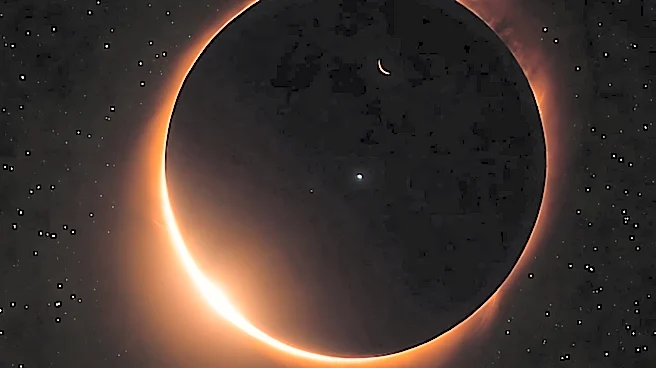
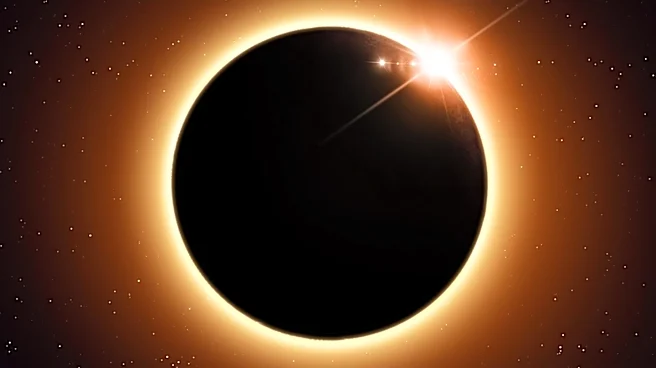
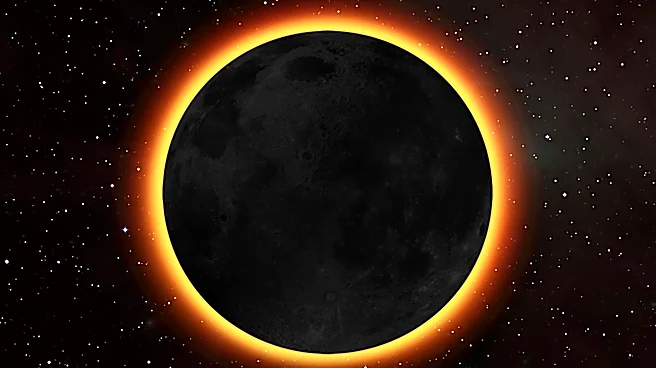
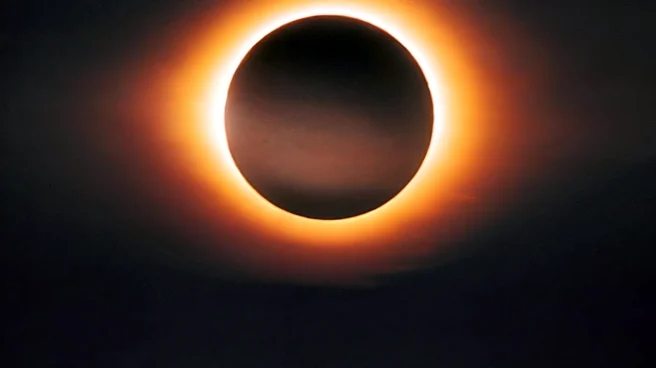
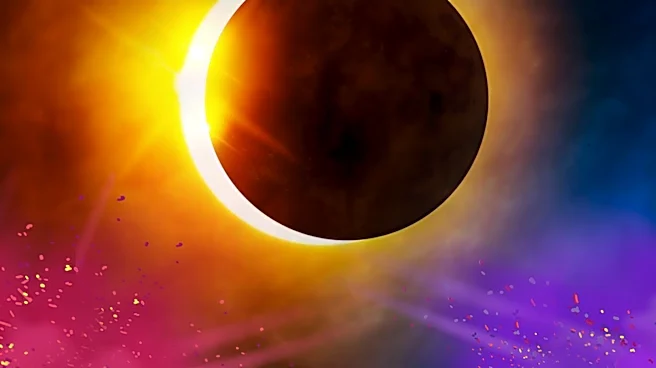
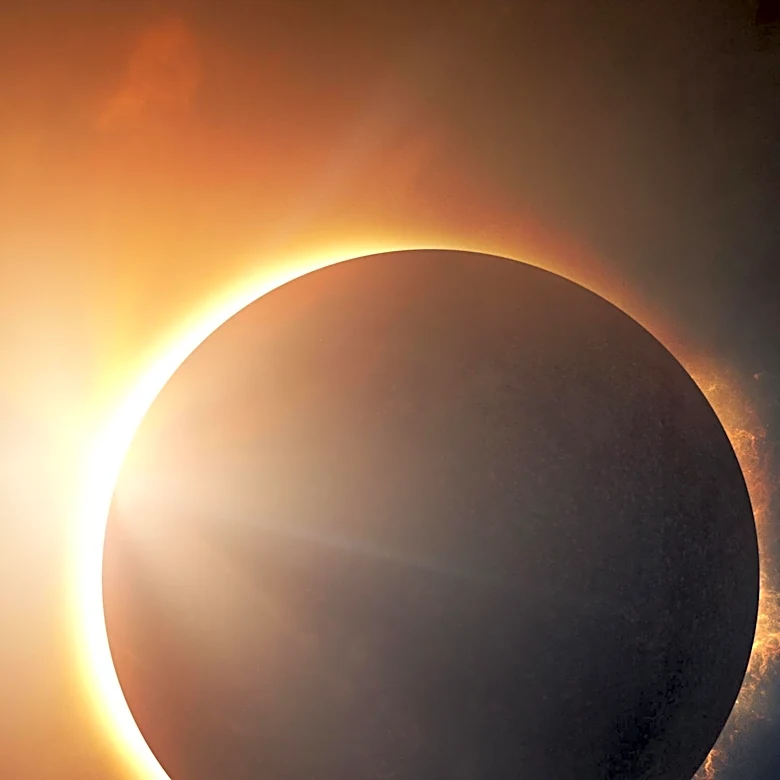
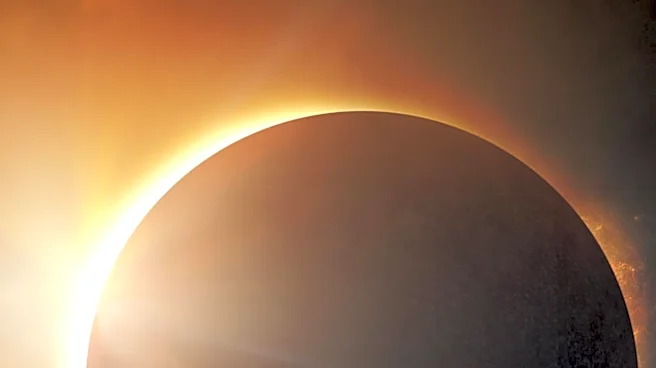
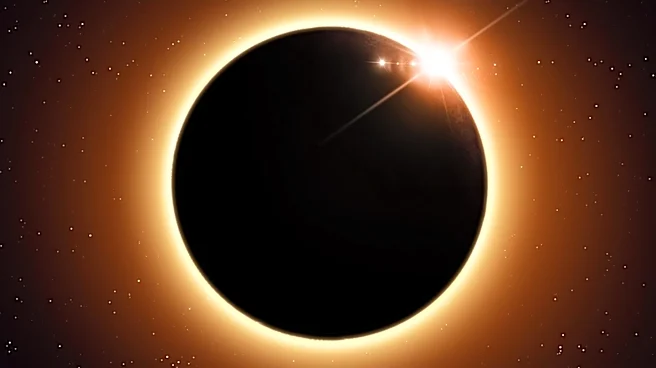
On August 12, skywatchers across North America and Europe are set to experience a rare combination of celestial events. The day will feature a partial solar eclipse visible in parts of Alaska, eastern Canada, and the northeastern U.S., with a total eclipse occurring
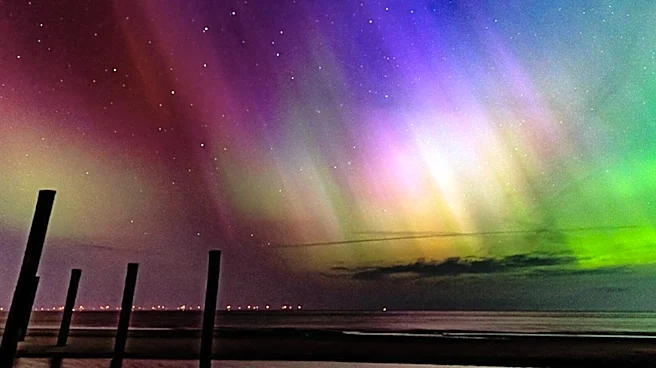
along a narrow path in eastern Greenland, western Iceland, and northern Spain. In North America, the deepest partial eclipse will be seen in northern Canada, with up to 93% of the sun covered in parts of Nunavut. Major cities like Toronto and Boston will see partial coverage ranging from 8% to 37%. Following the eclipse, Venus will be visible at dichotomy, appearing half-illuminated. As night falls, the Perseid meteor shower will peak, offering a spectacular display of shooting stars, especially under a moonless sky. Observers in dark areas could see between 50 and 75 meteors per hour, with the Milky Way also visible overhead.
Why It's Important?
This convergence of celestial events presents a unique opportunity for both amateur and professional astronomers to observe and study these phenomena. The solar eclipse provides a chance to study the sun's corona, while the Perseid meteor shower offers insights into cometary debris and meteor activity. For the general public, these events foster interest in astronomy and science, encouraging educational activities and community gatherings. The visibility of Venus and the Milky Way adds to the spectacle, making it a memorable experience for skywatchers. The events also highlight the importance of preserving dark skies, free from light pollution, to fully appreciate such natural wonders.
What's Next?
Skywatchers are advised to prepare for the events by acquiring ISO 12312-2 certified solar eclipse glasses and ensuring their telescopes and cameras are equipped with solar filters. Communities and educational institutions may organize viewing events to maximize public engagement. Weather conditions will play a crucial role, as clear skies are essential for optimal viewing. The next opportunity for a similar combination of events may not occur for several years, making August 12 a significant date for astronomy enthusiasts.