








What's Happening?
The United States is reportedly facing a significant shortage in its missile stockpile due to the ongoing conflict in Iran. According to The Atlantic, the Department of Defense may be understating the severity of the shortage, which could have serious
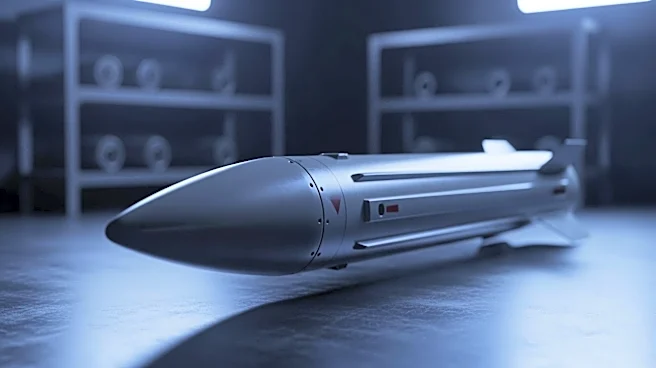
implications for U.S. defense capabilities. Vice President JD Vance has expressed concerns to President Trump about the accuracy of the department's reports. The Center for Strategic and International Studies (CSIS) estimates that it could take three to five years to replenish the stockpile to pre-war levels. The depletion includes a substantial portion of THAAD, Patriot, and Precision Strike missiles, among others.
Why It's Important?
The potential shortage of missiles poses a significant risk to U.S. national security and its ability to support allies. The depletion of critical defense resources could limit the U.S. military's operational capabilities and readiness in the face of ongoing and future conflicts. The situation highlights the challenges of maintaining adequate defense stockpiles during prolonged military engagements. The need to replenish these stockpiles could also strain defense budgets and impact other areas of military spending. Ensuring transparency and accuracy in defense reporting is crucial for informed decision-making and strategic planning.
What's Next?
The Department of Defense is expected to continue efforts to expand missile production and address the stockpile shortage. The situation may prompt a reevaluation of defense strategies and resource allocation to ensure readiness and support for allies. The U.S. government and military leaders will need to balance immediate defense needs with long-term strategic goals. Ongoing assessments and adjustments to defense policies and procurement processes will be necessary to address the challenges posed by the current shortage.