
What's Happening?
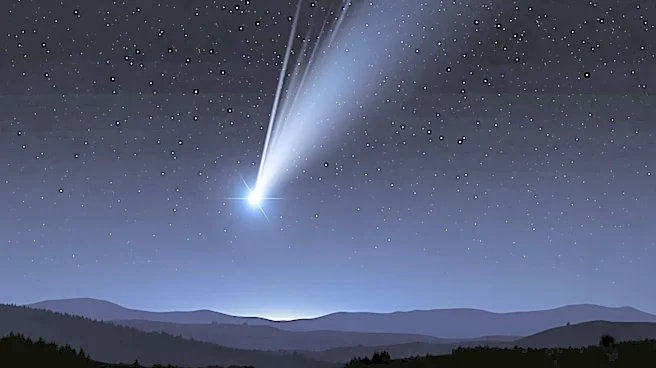
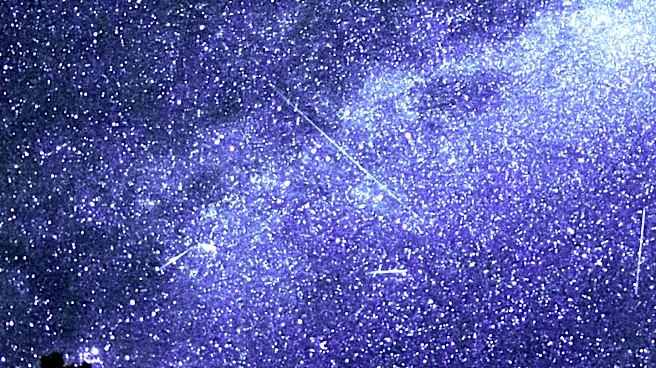
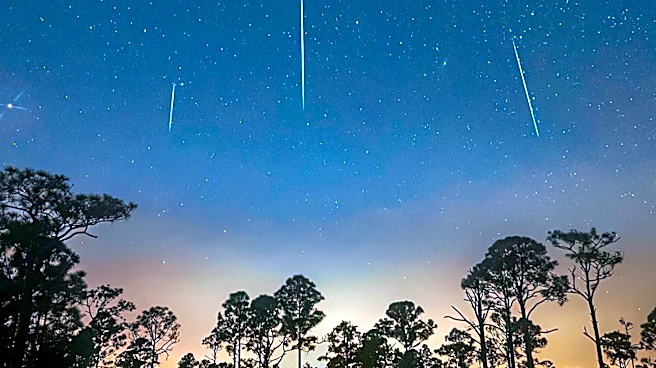
The Lyrid meteor shower, one of the oldest known meteor showers, is set to grace the skies of Nevada from April 14 to April 30, 2026. This annual celestial event occurs as Earth passes through the debris
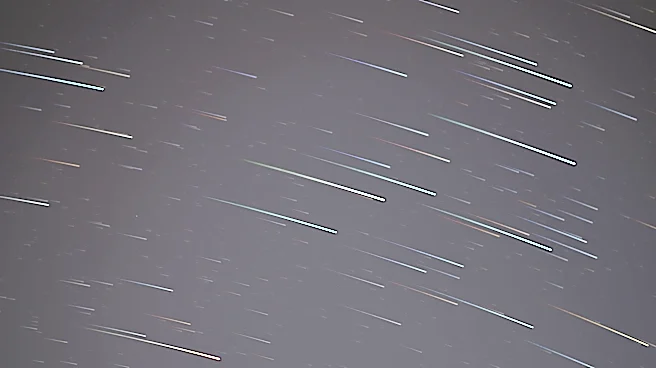
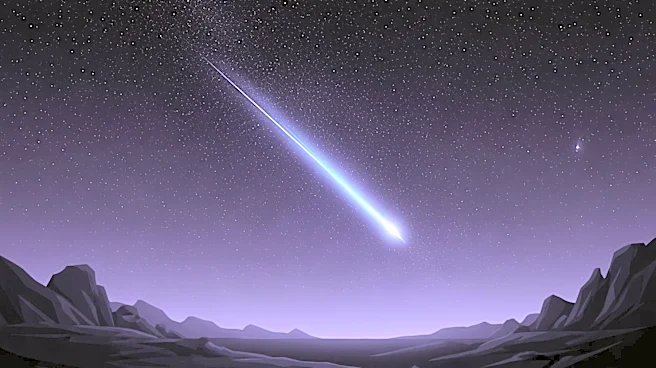
trail left by Comet C/1861 G1 Thatcher. The peak activity, when the most meteors are visible, is expected between April 21 and April 22. During this time, stargazers can expect to see 10-20 meteors per hour, with occasional bright flashes known as fireballs. The moon, in a waning crescent phase, will not significantly interfere with the visibility of the meteors. Ideal viewing times are between midnight and dawn, with several locations in Northern Nevada, such as Fort Churchill State Park and Pyramid Lake, offering optimal conditions for observing the meteor shower.
Why It's Important?
The Lyrid meteor shower provides a unique opportunity for both amateur and professional astronomers to observe a natural phenomenon that has been recorded for over 2,700 years. This event not only offers a spectacular visual display but also serves as a reminder of the dynamic nature of our solar system. For the public, it is an accessible way to engage with astronomy and appreciate the beauty of the night sky. The event also highlights the importance of preserving dark sky areas, which are crucial for astronomical observations and for reducing light pollution.
What's Next?
As the Lyrid meteor shower approaches, local communities and astronomy clubs may organize viewing events to educate and engage the public. These gatherings can foster a greater appreciation for astronomy and encourage interest in scientific exploration. Additionally, the overlap with the Eta Aquariids meteor shower, which peaks in early May, provides an extended period for skywatchers to enjoy meteor activity. Continued observation and documentation of meteor showers contribute to our understanding of cometary debris and its interaction with Earth's atmosphere.