






What's Happening?
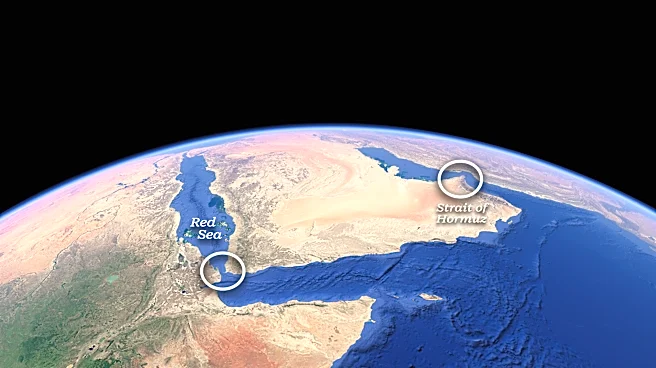
Saudi Arabia's oil export routes are under threat due to recent Houthi attacks on shipping and infrastructure in the Red Sea. The East-West Pipeline, a critical conduit for Saudi oil, allows crude to bypass the Strait of Hormuz by transporting it from
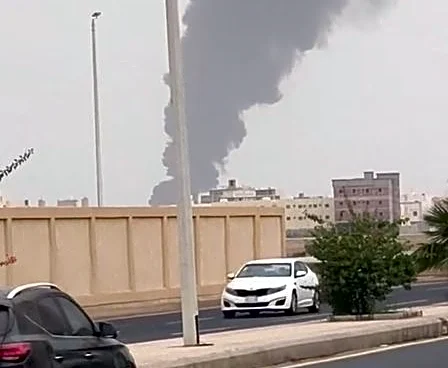
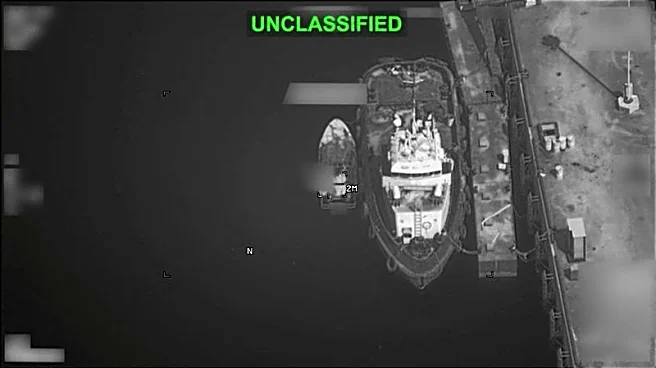
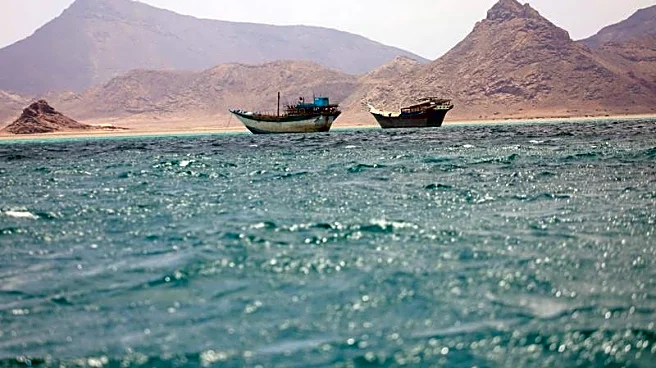
the Eastern Province to the Red Sea port of Yanbu. However, the Houthis have targeted Saudi-linked shipping and infrastructure, declaring a naval blockade and positioning missiles near the Bab el-Mandeb Strait. Recent attacks on Saudi oil tankers and facilities near Jizan and Yanbu have highlighted the risks. The situation is further complicated by the ongoing Iran conflict, which has disrupted the Strait of Hormuz, a vital oil transit route.
Why It's Important?
The disruption of Saudi oil routes has significant implications for global oil markets. The East-West Pipeline's ability to bypass the Strait of Hormuz is crucial for maintaining Saudi oil exports. However, the Houthi attacks threaten this alternative route, potentially leading to increased oil prices and supply chain disruptions. The situation underscores the vulnerability of global oil supply chains to geopolitical tensions. If the Bab el-Mandeb Strait becomes too risky, oil shipments may need to take longer and more costly routes, such as around the Cape of Good Hope, further increasing costs for refiners and consumers. The potential for a broader conflict involving Saudi Arabia and the Houthis could exacerbate these issues, leading to higher insurance premiums and increased risk for oil shipments.
What's Next?
If Saudi Arabia escalates its military response to the Houthi attacks, it could lead to intensified retaliation against Saudi oil infrastructure and shipping. This escalation could further threaten the Bab el-Mandeb Strait and potentially draw in additional regional actors, complicating the geopolitical landscape. The global oil market is already pricing in elevated risks, with Brent crude trading at higher levels due to the simultaneous threats to multiple chokepoints. Analysts warn that sustained disruptions could lead to significant supply shocks and higher oil prices until alternative logistics are developed or diplomatic solutions are reached.