





What's Happening?
Virunga National Park in the Democratic Republic of the Congo (DRC) is intensifying its health measures to protect both local communities and endangered mountain gorillas from the ongoing Ebola outbreak. The World Health Organization (WHO) has declared
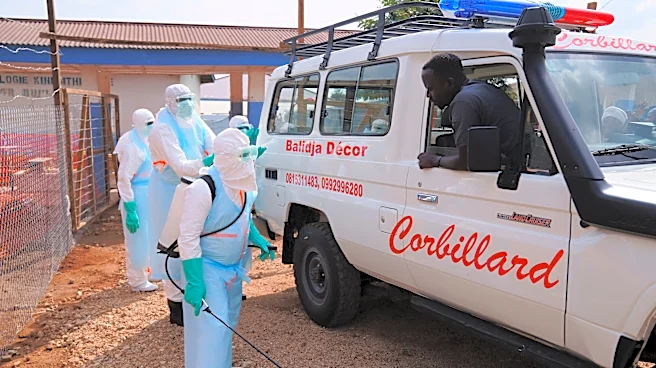
the outbreak a Public Health Emergency of International Concern. The park, which is Africa's oldest, has established six health checkpoints and deployed 40 paramedics and 80 rangers as part of its emergency response. These checkpoints are designed to monitor movement and screen for Ebola symptoms, such as fever, among travelers. The park's efforts are part of a broader strategy to contain the virus, which has already claimed over 1,400 lives in the DRC. The park's director-general, Emmanuel de Merode, emphasized the role of Virunga as a natural barrier to the disease, helping to prevent its spread to other regions.
Why It's Important?
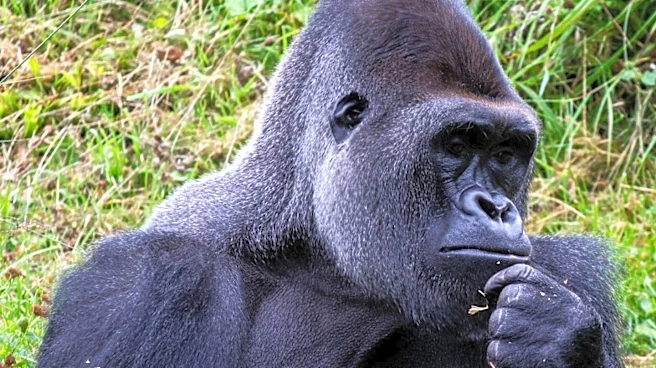
The measures taken by Virunga National Park are crucial in preventing the spread of Ebola, not only among human populations but also among the endangered mountain gorillas, which share over 90% of their DNA with humans and are susceptible to similar diseases. The park's actions highlight the interconnectedness of human, animal, and environmental health, a concept known as the One Health approach. By acting as a barrier and monitoring point, Virunga plays a significant role in the national and international efforts to control the outbreak. The park's involvement also underscores the importance of protected areas in public health strategies, especially in regions with limited healthcare infrastructure. The successful containment of the virus in such areas can prevent further spread to densely populated regions, thereby reducing the potential for a larger epidemic.
What's Next?
Virunga National Park will continue its efforts to monitor and control the spread of Ebola through its checkpoints and health measures. The park's collaboration with Congolese health authorities and international partners will be crucial in maintaining surveillance and early detection of new cases. The ongoing monitoring of gorilla health and visitor screening will remain a priority to prevent any transmission to the gorilla population. As the situation evolves, the park may need to adapt its strategies to address new challenges, such as increased movement of people or changes in the virus's spread. The park's role in the broader public health response will likely continue to be a key factor in the overall containment efforts.
Beyond the Headlines
The situation in Virunga National Park highlights the broader implications of disease outbreaks in regions with rich biodiversity. The potential impact on endangered species like the mountain gorillas raises ethical and conservation concerns, emphasizing the need for integrated approaches that consider both human and wildlife health. The park's efforts also reflect the challenges faced by conservation areas in conflict zones, where security issues can complicate health interventions. The ongoing Ebola outbreak serves as a reminder of the importance of global cooperation in addressing public health emergencies, particularly in areas with limited resources and infrastructure.