
What's Happening?
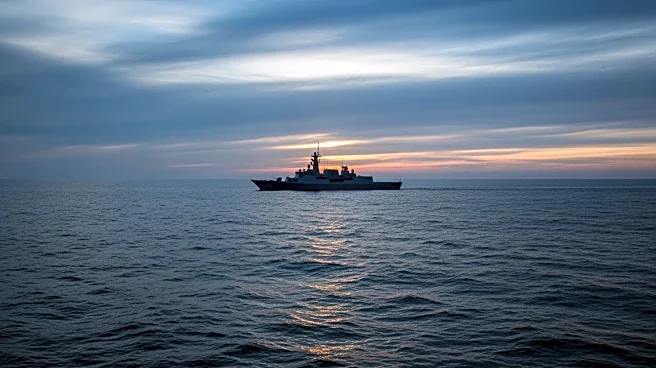
The maritime industry is increasingly influenced by geopolitical tensions, with the war in Ukraine highlighting the rapid impact of conflict on shipping operations. This has led to route disruptions, increased
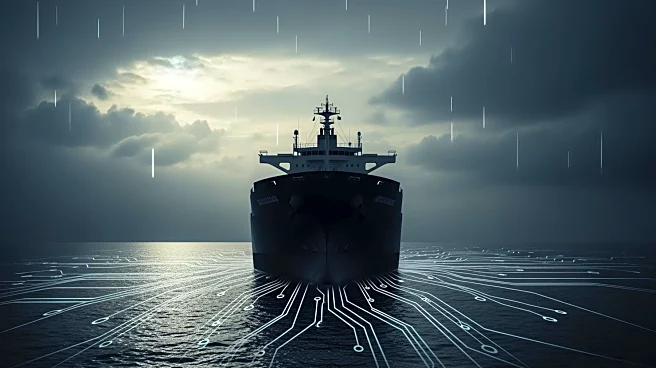
fuel consumption, and higher operating costs. Additionally, the industry faces a surge in cyberattacks, exposing vulnerabilities in vessel operations and port infrastructure. The current environment is characterized by volatility, with supply chains frequently disrupted and risk management becoming more complex. Shipping companies are urged to adopt greater contractual flexibility and stronger contingency planning to navigate these challenges.
Why It's Important?
The shift in the maritime industry's operating environment underscores the critical need for resilience and adaptability. Geopolitical tensions and cyber threats pose significant risks to global trade, affecting cost structures and operational decisions. The industry's response to these challenges will have far-reaching implications for global supply chains and economic stability. As shipping companies adjust to this new normal, their ability to manage risk and maintain efficiency will be crucial in sustaining international trade and supporting economic growth.
What's Next?
Shipping companies are expected to enhance their focus on resilience, incorporating geopolitical considerations into their strategic planning. This may involve investing in cybersecurity measures, diversifying trade routes, and strengthening partnerships with stakeholders. The industry's ability to adapt to these changes will be critical in maintaining its role as a backbone of global trade. As geopolitical tensions continue to evolve, the maritime sector will need to remain vigilant and proactive in addressing emerging threats and opportunities.