
What's Happening?
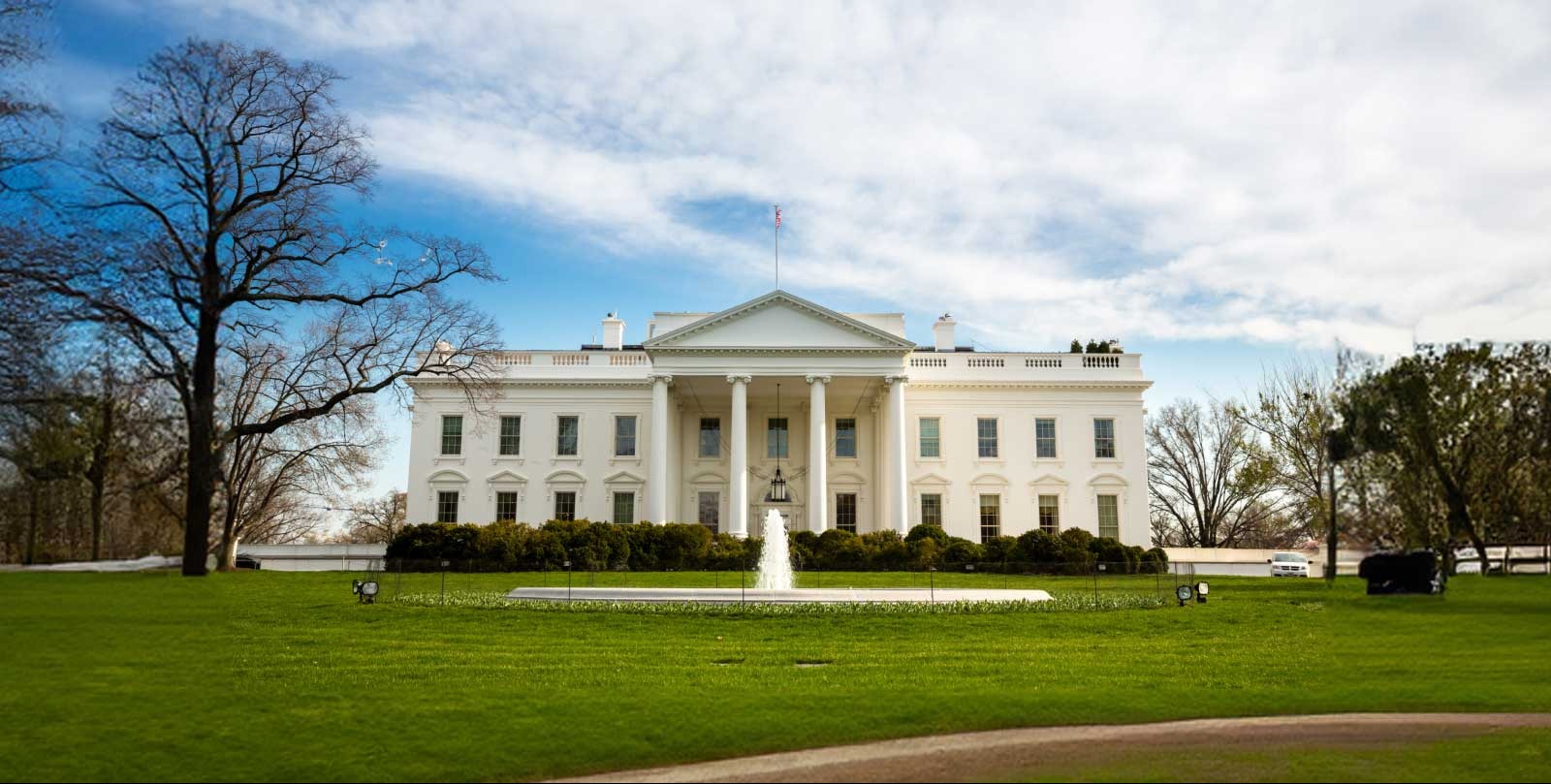
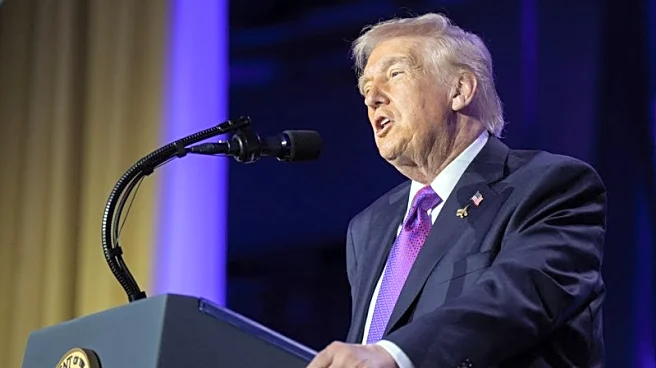
President Donald Trump has announced an expansion of the US travel ban, adding five more countries to the list of those facing full entry restrictions. The countries affected include Burkina Faso, Mali,
Niger, South Sudan, and Syria, along with individuals traveling on Palestinian Authority-issued documents. The White House stated that the measures are intended to enhance US security and will be implemented on January 1. The administration cited issues such as high visa overstay rates and unreliable civil records as reasons for the expanded bans.
Why It's Important?
The expansion of the travel ban underscores the Trump administration's focus on immigration control and national security. The decision could strain diplomatic relations with the affected countries and may lead to criticism from international human rights organizations. The bans could also impact individuals seeking to travel to the US for education, business, or family reunification. The move reflects ongoing concerns about the effectiveness of international screening and vetting processes, potentially influencing future US immigration policies.
What's Next?
The travel bans are set to take effect at the start of 2026, with potential diplomatic and legal challenges anticipated. Affected countries may engage in negotiations with the US to address the restrictions. The administration has indicated that the bans will remain until countries improve their identity management and cooperation with US authorities. The situation may lead to protests and legal actions, as seen with previous travel bans. The international community will likely monitor the US's actions closely, assessing their impact on global mobility and security.