
What's Happening?
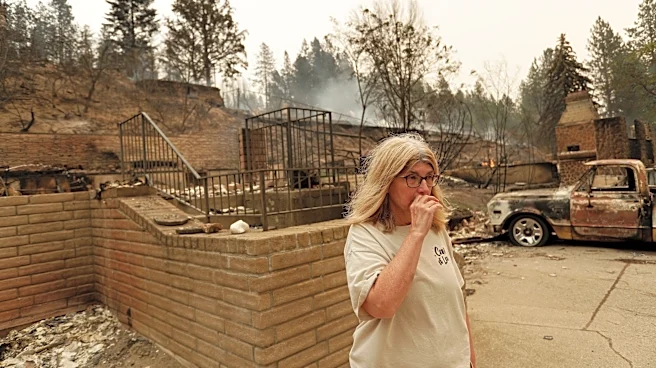
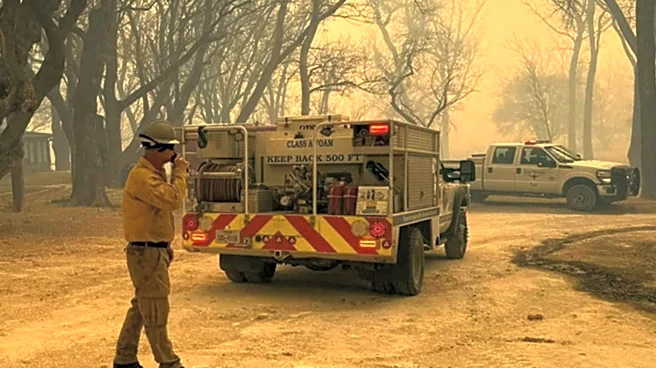
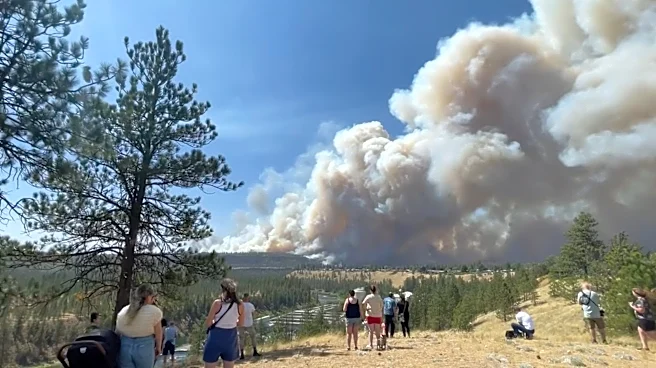
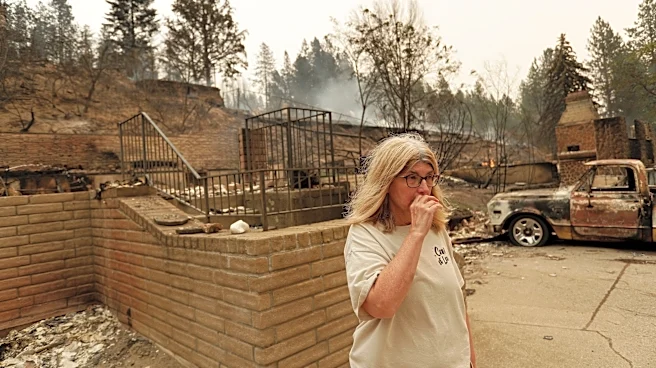
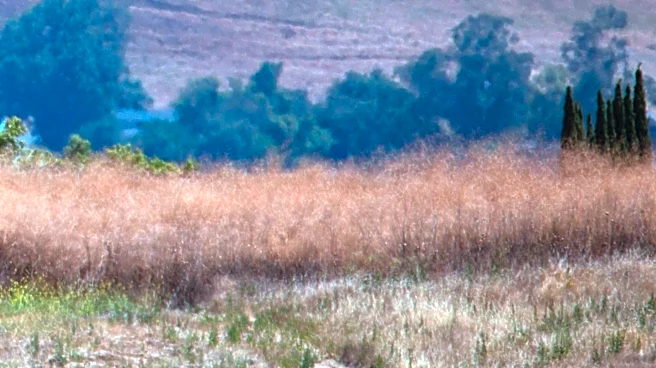
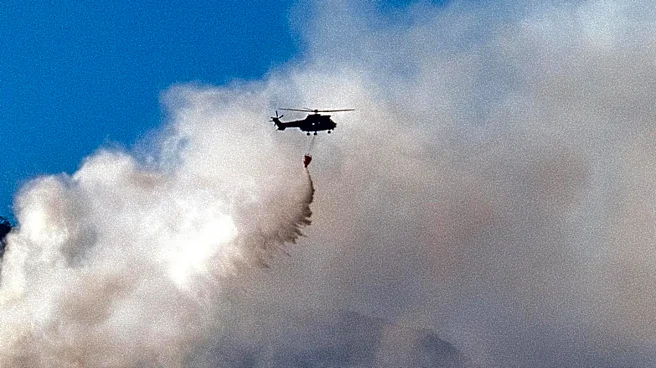
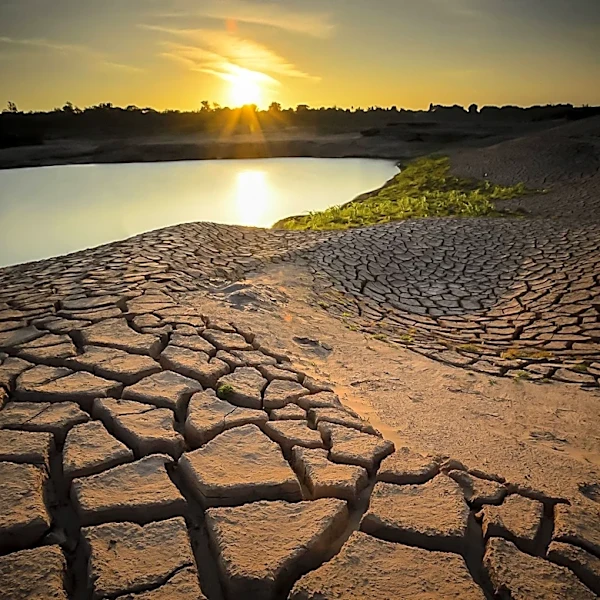
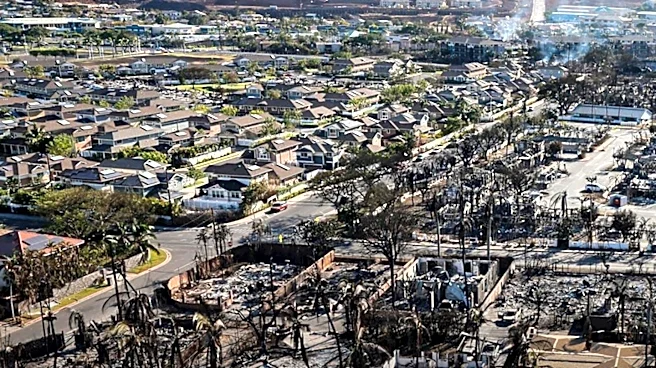
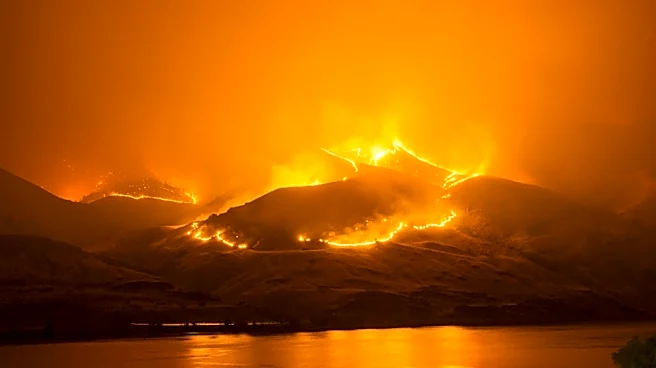
Washington state is experiencing an extraordinary wildfire season, with 15 major blazes forcing 60,000 people to evacuate and destroying hundreds of structures. The fires are fueled by extreme heat and drought conditions, stretching firefighting resources
thin. Spokane, a city in northeastern Washington, is particularly affected, with three major fires in the area. The National Weather Service has issued a red-flag alert, warning of extreme weather risks. Governor Bob Ferguson has declared a state of emergency, banning most burning activities through September to mitigate the fire risk.
Why It's Important?
The wildfires in Washington highlight the increasing frequency and intensity of fire seasons in the Pacific Northwest, driven by climate change. The destruction of homes and displacement of thousands of residents underscore the urgent need for effective fire management and climate adaptation strategies. The economic impact is significant, with potential losses in property and infrastructure. The situation also raises concerns about public safety and the capacity of emergency services to respond to such large-scale disasters. The fires serve as a stark reminder of the broader environmental challenges facing the region.
What's Next?
With the fire season expected to continue, state officials are likely to seek federal assistance to bolster firefighting efforts. The focus will be on containing the existing fires and preventing new ones from igniting. Long-term strategies may include enhancing fire prevention measures, improving forest management practices, and investing in climate resilience initiatives. The state may also explore ways to support affected communities and rebuild damaged infrastructure. The ongoing situation will require coordinated efforts from local, state, and federal agencies to address the immediate and long-term impacts of the wildfires.