








What's Happening?
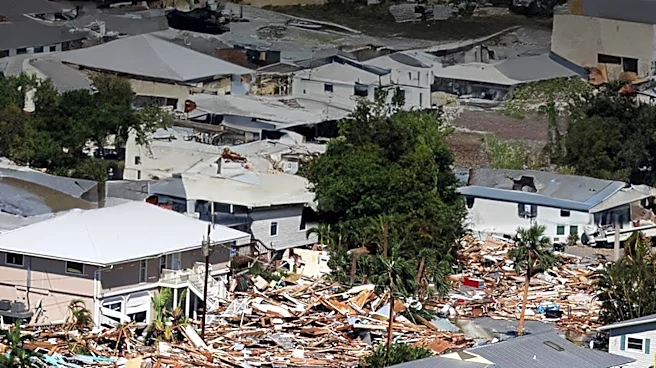
Warren Averett has provided guidance on the tax implications of personal casualty losses following natural disasters. A casualty loss occurs when property is damaged, destroyed, or lost due to a sudden, unexpected, or unusual event like fires, floods,
hurricanes, or tornadoes. To qualify, the loss must be tied to an identifiable event. The amount of loss is calculated by comparing the property's fair market value before and after the casualty or its adjusted basis, whichever is lower, then subtracting any insurance proceeds or reimbursements. For personal casualty losses from 2018 to 2025, the loss must have occurred in a presidentially declared disaster area. Starting in 2026, this rule expands to include losses from qualifying state-declared disasters. Limitations include a $100 per casualty deduction and an overall 10% of adjusted gross income, unless designated as a 'qualified disaster' by the president under the Stafford Act, which raises the limit to $500 per casualty with no adjusted gross income limitation.
Why It's Important?
Understanding casualty loss tax considerations is crucial for individuals recovering from natural disasters, as it can lead to significant tax savings. The financial burden of rebuilding and replacing damaged property can be immense, and tax deductions offer a vital mechanism for relief. The expansion of deductible losses to include state-declared disasters starting in 2026 broadens the scope of relief for affected taxpayers, acknowledging the impact of localized events that may not receive federal designation. This information empowers property owners to navigate complex tax regulations, ensuring they can maximize their recovery efforts and mitigate financial stress during an already challenging time. Proper documentation and knowledge of insurance coverage are emphasized as key steps in preparing a successful claim.
What's Next?
Individuals affected by natural disasters should prioritize documenting all losses with pictures and keeping receipts for recovery efforts and repairs. It is also essential to understand their insurance coverage, including deductibles and reimbursement policies for living expenses or replacement costs. Taxpayers in qualifying federal or state disaster areas may have a tax-deductible casualty loss, while those outside these areas have more limited deductions. Property owners should be aware of 'casualty gains' if insurance reimbursements exceed the property's adjusted basis, and how to defer recognizing such gains by purchasing replacement property within specified timeframes. Consulting with a tax advisor is recommended to accurately calculate losses, understand applicable elections, and ensure timely filing.
Beyond the Headlines
The detailed guidelines on casualty losses highlight the intricate relationship between disaster recovery and tax policy. The distinction between presidentially and state-declared disaster areas, and the varying limitations, underscores the layered approach to disaster relief in the U.S. This framework not only provides financial aid but also encourages meticulous record-keeping and financial planning among property owners. The availability of safe harbor methods for calculating losses simplifies the process for taxpayers and reduces potential disputes with the IRS, promoting a more efficient recovery process. This guidance also implicitly encourages individuals to be proactive in understanding their property's value and insurance policies before a disaster strikes, fostering greater financial preparedness.