










What's Happening?
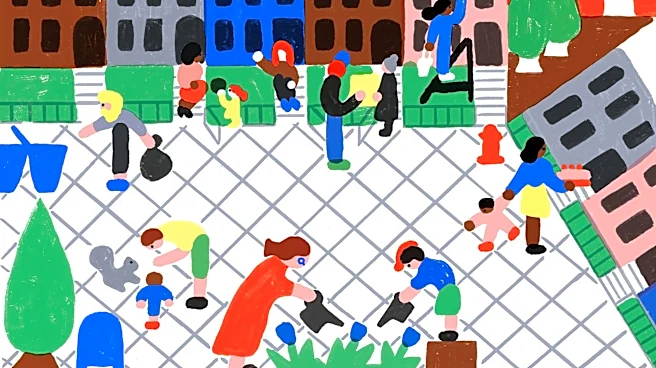
Recent findings from GoFundMe and GivingTuesday reveal that Generation Z is actively participating in philanthropy at higher rates than older generations. Contrary to the traditional view that philanthropy is an age-onset behavior, Gen Z is engaging in various
forms of giving, including donations, volunteering, and advocacy. This generation is not waiting for financial stability to contribute; instead, they are leveraging their digital savviness and social networks to support causes. The research highlights that over 70% of Gen Z adults reported some form of giving in the prior week, surpassing the 65% of older adults. Nonprofits are encouraged to adapt to this shift by creating flexible participation ecosystems that accommodate Gen Z's diverse modes of engagement.
Why It's Important?
The active participation of Gen Z in philanthropy signifies a shift in how charitable giving is perceived and executed. This generation's approach is rooted in relationships, identity, and collective action, challenging nonprofits to rethink their engagement strategies. By understanding and integrating Gen Z's preferences for advocacy and informal giving, nonprofits can tap into a broader base of support. This shift has the potential to strengthen community ties and expand the reach of charitable organizations. As Gen Z continues to influence the culture of generosity, nonprofits that adapt to these changes stand to benefit from increased participation and sustained support.
What's Next?
Nonprofits are likely to focus on designing strategies that align with Gen Z's philanthropic behaviors. This includes creating digital experiences that facilitate easy sharing and participation, as well as recognizing the value of advocacy and informal giving. Organizations may also explore community-powered fundraising as a means to engage Gen Z and bridge them to deeper charitable involvement. As these strategies are implemented, nonprofits will need to monitor their effectiveness and adjust their approaches to ensure they are meeting the needs and expectations of this influential generation.