



What's Happening?
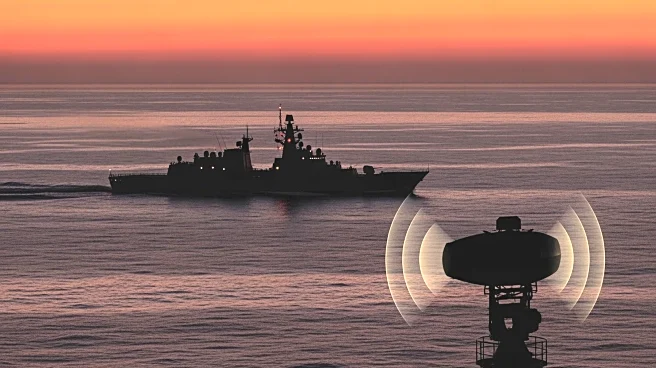
A Russian Pacific Fleet flotilla, consisting of the Udaloy Class frigate RFS Marshal Shaposhnikov and the Boris Chilikin Class oiler Boris Butoma, has been conducting exercises in the Red Sea. This movement comes after the flotilla's previous exercises with
Myanmar's Navy in mid-November. The flotilla's presence in the Red Sea coincides with the start of the joint Israeli-United States naval exercise, Intrinsic Defender, which began on December 7. Intrinsic Defender is an annual exercise involving high-performance navies, typically held in the Red Sea and the Eastern Mediterranean. The Russian flotilla's positioning suggests a potential interest in monitoring these exercises, which are of particular interest to Russian naval intelligence. The third ship of the flotilla, the Gremyashchiy Class corvette RFS Gremyashchiy, has not rejoined the group, as it is making separate port visits to Chittagong and Colombo.
Why It's Important?
The presence of the Russian flotilla in the Red Sea during the U.S.-Israeli naval exercises highlights the strategic interest Russia has in monitoring military maneuvers of its geopolitical rivals. The Intrinsic Defender exercise is significant as it involves tactical innovations that could influence future Israeli operations. The Russian interest in these exercises underscores the ongoing military and intelligence competition in the region. For the U.S. and Israel, the potential monitoring by Russian vessels could necessitate adjustments in their operational security and strategy. This development also reflects broader geopolitical tensions, as Russia seeks to assert its naval presence and gather intelligence in strategically important regions.
What's Next?
The Russian flotilla may continue its journey north through the Suez Canal, potentially entering the Mediterranean, which has seen a reduced Russian naval presence in recent weeks. The flotilla might also participate in the upcoming Exercise Maritime Security with Chinese and Iranian navies, typically held in February or March. The U.S. and Israeli navies may need to enhance their operational security measures to mitigate any intelligence-gathering efforts by the Russian vessels. Additionally, the situation could prompt diplomatic discussions or military planning adjustments among the involved nations to address the implications of Russian monitoring activities.