




What's Happening?
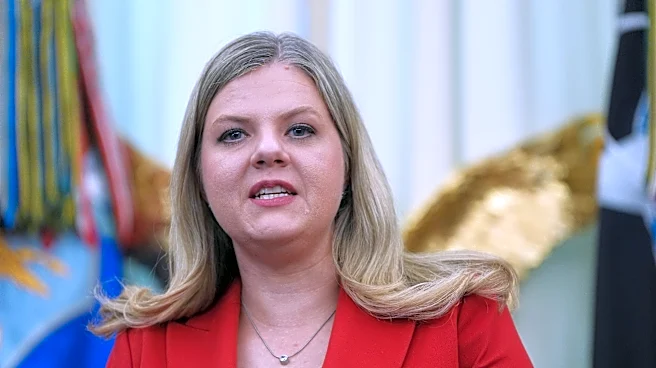
President Trump has nominated Dr. Heidi Overton, an abortion opponent, to be the commissioner of the U.S. Food and Drug Administration (FDA). Overton has previously appeared with President Trump during a press conference for an executive order that suggested
splitting the measles, mumps, and rubella (MMR) vaccine into three separate shots. This executive order has been widely criticized by health experts, including the American Academy of Pediatrics (AAP), as "disheartening and dangerous," and has been cited for sowing confusion about vaccinations during the worst measles outbreak in 30 years. Overton has also expressed views on strictly regulating the abortion drug mifepristone. Her nomination comes as the FDA has experienced significant turmoil, including job cuts and disease outbreaks, during the second Trump administration.
Why It's Important?
The nomination of Dr. Heidi Overton to lead the FDA is significant due to her controversial stances on both abortion and vaccines, which align with President Trump's policies. Her past support for an executive order to split the MMR vaccine, despite scientific consensus and during a severe measles outbreak, raises concerns about the agency's future approach to public health and vaccine policy. The FDA is responsible for regulating drugs, medical devices, and a substantial portion of the nation's food supply, making its leadership critical for public safety and health. Overton's views on mifepristone could impact access to medication abortion, affecting millions of women. Her appointment could lead to a shift in the FDA's scientific integrity and regulatory independence, potentially prioritizing political agendas over evidence-based public health recommendations, especially concerning childhood vaccinations and reproductive health.
What's Next?
Dr. Heidi Overton's nomination will undergo a confirmation process, likely involving scrutiny from Congress regarding her qualifications and past statements on public health issues. Major stakeholders, including medical associations like the American Academy of Pediatrics, and reproductive rights organizations, are expected to voice their concerns or support during this process. If confirmed, Overton's leadership could lead to significant changes in the FDA's regulatory framework, particularly concerning vaccine schedules and abortion medication. Her tenure would likely see continued efforts to implement President Trump's health agenda, including potential reforms to clinical trials and drug pricing. The scientific community will closely monitor the FDA's decisions under her leadership, especially given the ongoing measles outbreak and the broader context of vaccine hesitancy.
Beyond the Headlines
The nomination of Dr. Heidi Overton highlights a broader trend of politicization within scientific and public health institutions. Her appointment could deepen the divide between scientific consensus and political policy, potentially eroding public trust in federal health agencies. The debate surrounding vaccine schedules and the regulation of abortion medication touches upon fundamental ethical questions about individual autonomy, public safety, and the role of government in healthcare decisions. This situation could set a precedent for future appointments to critical regulatory bodies, emphasizing ideological alignment over scientific expertise. The long-term implications could include a more fragmented public health landscape, where scientific recommendations are increasingly challenged, leading to potential setbacks in disease prevention and access to essential healthcare services.