


What's Happening?
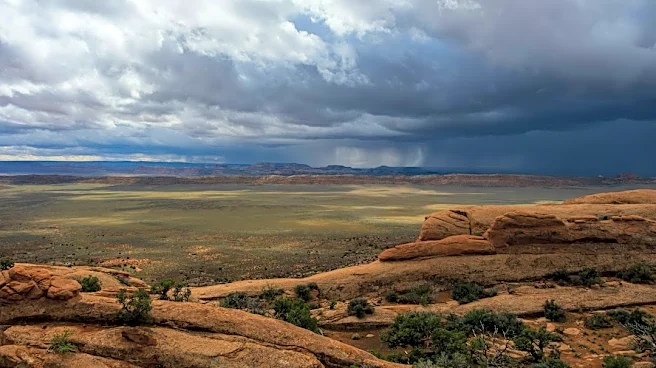
Arizona concluded its monsoon season with above-average precipitation in many areas, a welcome change after two consecutive years of below-average monsoon rains and mountain snowpack. This increased rainfall has positively impacted the state's water supply,
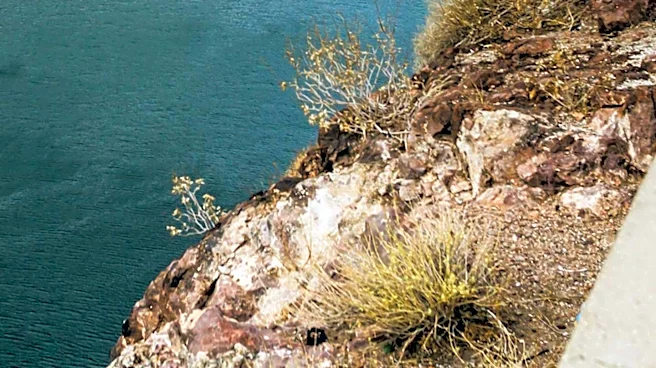
with reservoirs managed by the Salt River Project (SRP) showing signs of recovery. Stephen Flora, a hydrologist with SRP, noted that the recent rains have reduced demand on reservoirs and provided additional inflow, causing reservoir levels to stabilize or slightly increase, currently standing at approximately 50% full. Furthermore, the rain has saturated the soil, which is crucial for maximizing runoff from future winter snowmelt. Forecasters are now closely monitoring a strong El Niño pattern, which typically brings more snow to Arizona's high country. While this El Niño is predicted to be one of the strongest on record, First Alert Meteorologist Pete Mangione cautions that a strong El Niño does not automatically guarantee record snowfall.
Why It's Important?
The recent above-average monsoon season and the potential for a strong El Niño to deliver significant winter snowpack are critically important for Arizona, a state that has been grappling with a decades-long drought. The recovery of reservoir levels, even if slight, provides immediate relief by reducing the strain on existing water resources. Saturated soil from monsoon rains is a key factor in ensuring that when winter snows melt, the water effectively percolates into the ground and contributes to the water supply rather than being absorbed by dry earth. This directly impacts the availability of water for agriculture, urban consumption, and ecosystem health. While a single season of increased precipitation won't fully resolve the long-term drought, it can alleviate short-term water concerns for Arizona and neighboring states. The success of the upcoming winter season in terms of snowpack will be a significant determinant of the state's water outlook for the coming year, influencing policy decisions related to water conservation and allocation.
What's Next?
Arizona will now focus on the upcoming winter season, with particular attention to the development and impact of the strong El Niño pattern. Hydrologists and meteorologists will continue to monitor precipitation levels, especially in the high country, to assess the potential for significant snowpack accumulation. The state is approximately one month away from its typical first measurable snowfall. The effectiveness of the saturated soil in retaining snowmelt will be a key factor in determining the overall water supply benefit. While the current precipitation offers hope, officials will likely continue to emphasize water conservation efforts, as a single good season is insufficient to overcome a multi-decade drought. Decisions regarding water management and drought mitigation strategies will be heavily influenced by the winter's snowpack and subsequent spring runoff, impacting various sectors from agriculture to urban planning.
Beyond the Headlines
The interplay between monsoon rains and El Niño patterns highlights the complex and interconnected nature of Arizona's water resources. The state's reliance on both summer monsoons and winter snowpack underscores its vulnerability to climate variability and change. The long-term drought has already prompted significant shifts in water policy and resource management, pushing for greater efficiency and alternative water sources. This current period of increased precipitation, while beneficial, also serves as a reminder of the ongoing need for sustainable water practices and infrastructure investment. The potential for a strong El Niño, while generally positive for winter precipitation in the Southwest, also brings uncertainties, as its strength doesn't always correlate directly with record snowfall. This situation could further drive innovation in water conservation technologies and encourage regional collaborations for water sharing and management in the face of persistent aridification trends.