



What's Happening?
Chile's annual inflation rate increased to 4.5% in October 2026, up from 4.1% in September, marking its highest level since April 2025. This acceleration was primarily driven by significant price increases in several key sectors. Transport costs saw a substantial
rise, climbing to 10.0% from 7.9%, largely due to a 4.5% increase in gasoline prices. Food and non-alcoholic beverages also contributed to the surge, with inflation reaching 4.9% compared to 4.3% in the previous month. Housing and utilities experienced an increase from 3.6% to 3.8%, and restaurants and lodging saw inflation rise from 5.6% to 5.8%. Conversely, deflation in clothing and footwear deepened to 4.1% from 3.1%. On a monthly basis, consumer prices rose by 0.5% in October, following a 0.4% increase in September, with transport and food being the main drivers. Core consumer prices, which exclude volatile food and energy components, remained unchanged over the month.
Why It's Important?
The continued rise in Chile's inflation rate to its highest point in over a year and a half signals persistent price pressures within the economy. This trend can erode purchasing power for consumers, particularly impacting household budgets for essential goods and services like food and transportation. The significant increase in gasoline prices, a key component of the transport sector's inflation, has broader implications for supply chains and the cost of goods across the economy. While some sectors like clothing and footwear experienced deeper deflation, the overall upward trajectory of inflation suggests that the central bank may face pressure to consider monetary policy adjustments to stabilize prices. High inflation can also create uncertainty for businesses regarding future costs and consumer demand, potentially affecting investment and economic growth. The year-to-date inflation reaching 4.5% indicates a sustained inflationary environment.
What's Next?
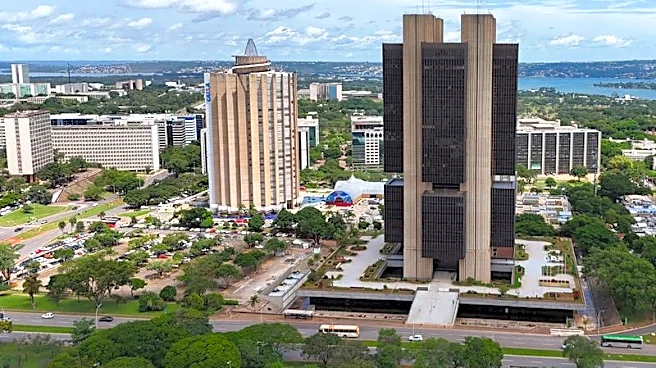
With inflation accelerating and reaching a multi-month high, Chile's central bank will likely be closely monitoring these developments. Policymakers may need to evaluate whether current monetary policy settings are adequate to bring inflation back to target levels. Potential responses could include further interest rate adjustments or other measures aimed at curbing demand and stabilizing prices. Consumers and businesses should anticipate continued vigilance from economic authorities. The trajectory of global commodity prices, particularly oil, will also play a significant role in future inflation trends, given the impact of gasoline prices on the overall index. Future inflation reports will be crucial in determining the central bank's next steps and the broader economic outlook for Chile.
Beyond the Headlines
The persistent inflationary pressures in Chile reflect a broader global economic trend where many countries are grappling with elevated price levels. While specific domestic factors contribute to Chile's situation, global supply chain disruptions, energy price volatility, and post-pandemic demand shifts often play a role. The divergence between headline inflation, driven by food and energy, and stable core inflation suggests that while external shocks are significant, underlying domestic demand might be more contained. However, sustained high headline inflation can eventually feed into core inflation through wage-price spirals or inflation expectations. This situation underscores the interconnectedness of global and local economic forces and the challenges faced by central banks in managing inflation in a complex and uncertain environment.