






What's Happening?
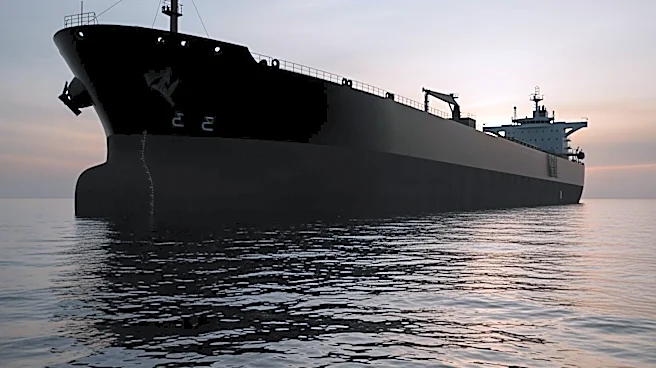
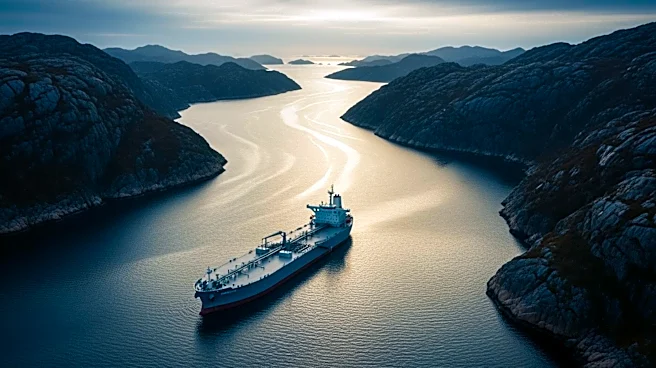
The ongoing conflict in the Middle East, particularly the closure of the Strait of Hormuz, has significantly impacted global energy security discussions. The Strait, a critical passage for about 20% of the world's oil and liquefied natural gas, has become
a focal point due to geopolitical tensions. This situation has exposed the fragility of fossil fuel supply chains, traditionally considered more reliable than renewable energy sources. Energy experts and industry leaders, including those from Nordic energy companies Fortum and Statkraft, have emphasized the need to shift towards renewable energy, which is increasingly seen as a more stable and secure alternative. The current energy crisis is being compared to the oil shocks of the 1970s, but with the advantage of having viable renewable technologies like solar and wind power, supported by advancements in battery storage.
Why It's Important?
The closure of the Strait of Hormuz underscores the geopolitical risks associated with reliance on fossil fuels. This has prompted a reevaluation of energy security strategies, with a growing consensus on the need to accelerate the transition to renewable energy. The situation highlights the vulnerability of global energy markets to geopolitical disruptions, which can lead to significant economic and social impacts, including inflation and energy shortages. The shift towards renewables is not only a response to environmental concerns but also a strategic move to enhance energy security and reduce dependency on volatile fossil fuel markets. This transition could have profound implications for U.S. energy policy and international relations, as countries seek to diversify their energy sources and reduce geopolitical risks.
What's Next?
In response to the current energy crisis, there is likely to be an increased focus on developing and deploying renewable energy technologies. Policymakers and industry leaders are expected to prioritize investments in solar, wind, and battery storage to enhance energy resilience. The U.S. may play a crucial role in supplying liquefied natural gas to Europe, as countries seek to reduce their reliance on Middle Eastern oil. This shift could lead to a reconfiguration of global energy trade patterns and influence future energy policies. Additionally, the situation may accelerate the adoption of energy-efficient technologies and practices, as countries aim to mitigate the impacts of energy supply disruptions.
Beyond the Headlines
The current energy security debate also raises ethical and environmental considerations. The reliance on fossil fuels has long been criticized for its environmental impact, and the current crisis highlights the need for sustainable energy solutions. The transition to renewables presents an opportunity to address climate change while enhancing energy security. However, this shift requires careful management to ensure a just transition for workers and communities dependent on the fossil fuel industry. The situation also underscores the importance of international cooperation in addressing global energy challenges and promoting sustainable development.