


What's Happening?
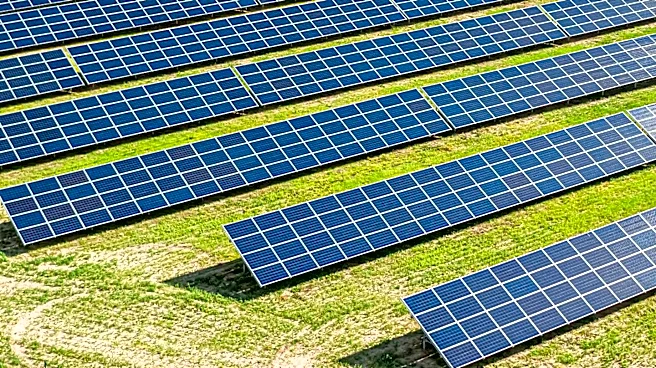
Byron Kominek, the owner of Jack's Solar Garden in Longmont, Colorado, has transformed part of his 24-acre farm by installing 3,276 solar panels. This initiative is an example of agrivoltaics, where land is used for both agriculture and solar energy production.
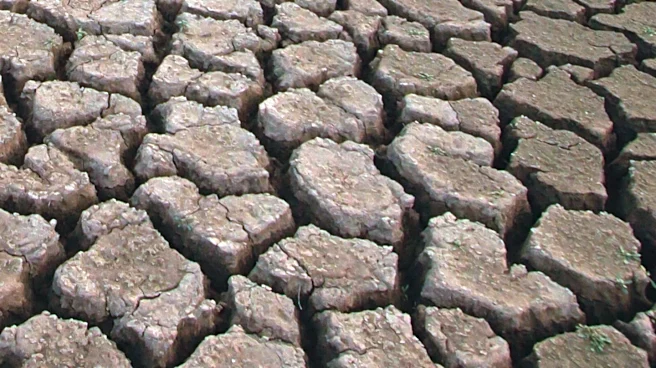
The solar panels generate approximately 2 gigawatt-hours of electricity annually, which Kominek sells to a nearby utility. This provides an additional revenue stream for the farm, which is crucial as farmers face increasing power costs, drought, and rising temperatures due to climate change. The panels also create microclimates by blocking some direct sunlight, which helps temperature-sensitive crops like flax and clary sage thrive by maintaining cooler conditions beneath them.
Why It's Important?
The integration of solar panels on farms like Jack's Solar Garden offers a dual benefit of generating renewable energy and enhancing agricultural productivity. This approach provides a more stable income for farmers who are increasingly affected by unpredictable weather patterns. Additionally, solar power contributes to reducing greenhouse gas emissions, promoting cleaner air and public health. The shading from the panels also helps retain soil moisture, which is particularly beneficial in arid regions. By maintaining farm productivity and financial stability, such systems can ensure a more resilient food supply and mitigate the economic pressures of rising agricultural costs.
What's Next?
The project at Jack's Solar Garden is part of ongoing research to determine which crops perform best under solar arrays and how to optimize these mixed-use farms. Despite challenges such as the high cost of installation and navigating the metal framework of the panels, the concept of agrivoltaics is gaining traction. Farmers can benefit from this trend without owning the solar arrays, as some solar sites hire local producers to graze livestock beneath the panels, providing another income source. As climate change continues to impact agriculture, projects like this could serve as models for other farms to enhance their resilience and sustainability.