






What's Happening?
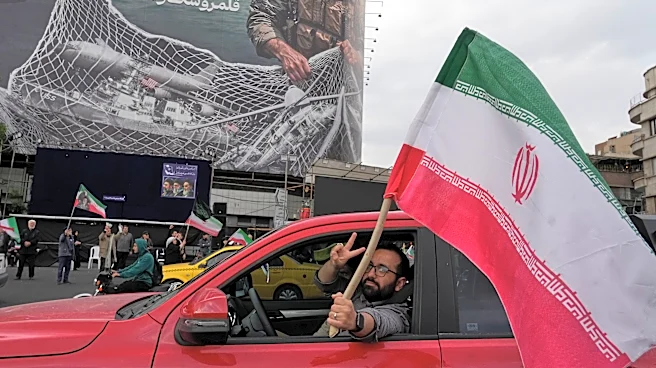
The United Nations Development Programme (UNDP) has issued a report warning that the ongoing conflict in Iran could plunge over 32 million people worldwide into poverty. The conflict has led to a 'triple shock' involving surging energy prices, food insecurity,
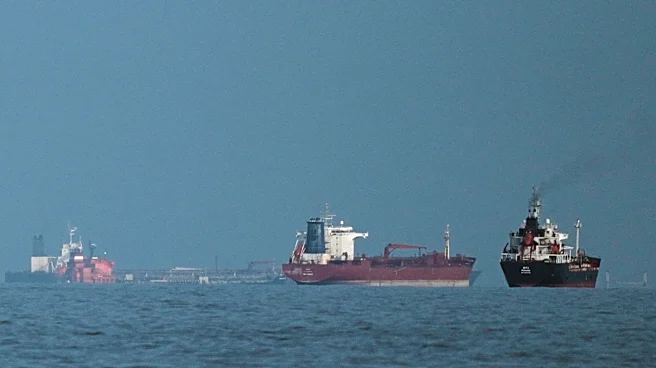
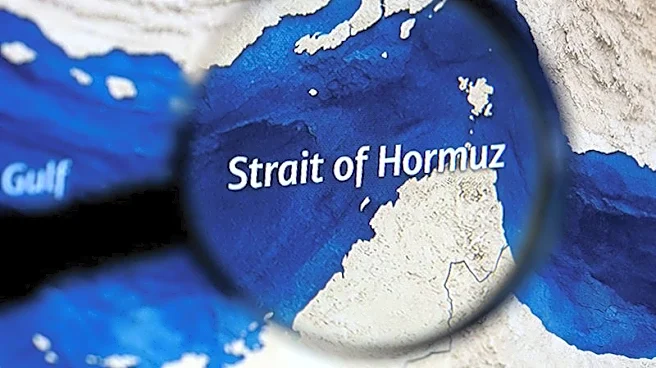
and weakened economic growth. The closure of the Strait of Hormuz by Iran has disrupted oil and gas supplies, exacerbating global economic challenges and setting a 'food security timebomb' for developing nations.
Why It's Important?
The economic fallout from the Iran conflict poses significant risks to global development, particularly for developing countries already facing financial constraints. The potential increase in poverty could reverse years of progress in international development, highlighting the need for targeted interventions and financial support from international agencies. The situation underscores the interconnectedness of global economies and the impact of regional conflicts on worldwide poverty levels.
What's Next?
The UNDP suggests implementing targeted cash transfers to protect vulnerable households in developing nations, requiring approximately $6 billion to mitigate the shocks. International agencies and development banks may need to step up financial support to prevent further poverty increases. The ongoing conflict may also prompt discussions among world leaders at upcoming international meetings, focusing on sustainable solutions and peace negotiations.
Beyond the Headlines
The report highlights the ethical considerations of aid distribution and the importance of investing in poverty reduction and climate change adaptation as preventive measures against future conflicts. The situation may lead to a reevaluation of global aid strategies and the role of international organizations in stabilizing economies affected by geopolitical tensions.