








What's Happening?
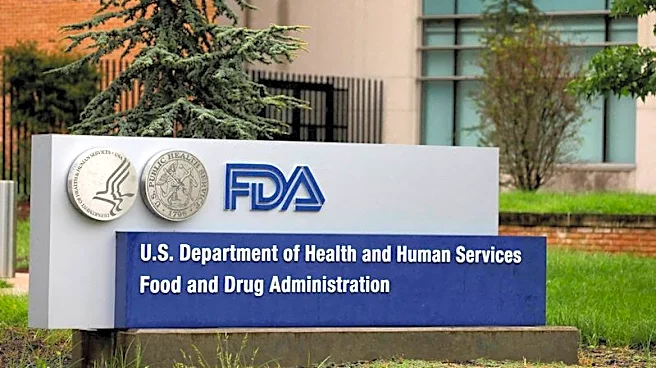
An FDA advisory panel has favorably recommended Grail Inc.'s Galleri blood test, marking the first time a federal advisory group has endorsed a multi-cancer detection test. The Molecular and Clinical Genetics Panel of the Medical Devices Advisory Committee
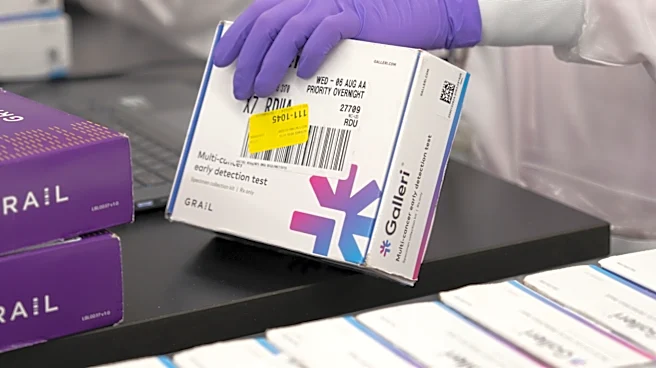
voted on the test's safety, effectiveness, and overall benefit-risk profile for adults aged 50 and older. The panel voted 7-2, with one abstention, that the test's benefits outweigh its risks, and unanimously supported its safety. However, the vote on effectiveness was split 6-4 in favor. The FDA's advisory panels provide input, but their recommendations are not binding. A definitive decision on Galleri's nationwide commercial availability is expected within the next few months. The Galleri test screens for multiple cancer types from a single blood draw by detecting cancer-specific methylation patterns in cell-free DNA. It is designed to predict the origin of a cancer signal to guide further diagnostic evaluation and is intended to complement, not replace, existing screenings like mammograms and colonoscopies.
Why It's Important?
The endorsement of the Galleri blood test by an FDA advisory panel signifies a potential shift in early cancer detection strategies in the U.S. If approved, this test could offer a new tool for identifying various cancers at earlier stages, potentially improving treatment outcomes and patient survival rates. The panel's emphasis on the test as an 'addition, not substitution' to standard care highlights the importance of maintaining established screening regimens while integrating new technologies. This development could impact healthcare providers by offering a broader screening option, and patients, particularly those aged 50 and older, by providing an additional layer of early detection. The current out-of-pocket cost of $949 for the Galleri test also raises questions about accessibility and potential insurance coverage, especially if Medicare reimbursement becomes available through the RAPID pathway. The split vote on effectiveness underscores the ongoing scientific debate and the need for continued research and validation in the field of multi-cancer early detection.
What's Next?
Grail Inc. anticipates a definitive decision from the FDA regarding the nationwide commercial availability of the Galleri blood test within the next few months. If approved, the test could become more widely accessible, potentially through Medicare reimbursement if the joint coverage pathway with the Centers for Medicare & Medicaid Services (RAPID) is activated. This pathway could allow for Medicare reimbursement to begin approximately two months after market authorization. Healthcare providers will need to integrate this new screening tool into their practices, ensuring patients understand its role as a complementary test rather than a replacement for existing screenings. Further studies and real-world data collection will likely be crucial to fully assess the long-term impact of the Galleri test on cancer diagnosis and patient outcomes. The medical community will also be watching for any potential changes in screening guidelines or recommendations that might arise from the test's approval and adoption.
Beyond the Headlines
The potential widespread adoption of multi-cancer early detection tests like Galleri could have profound implications beyond immediate cancer diagnosis. Ethically, it raises questions about the management of false positives and the psychological burden on individuals awaiting further diagnostic tests. The integration of such advanced technology into routine healthcare also highlights disparities in access, particularly given the current out-of-pocket cost, and the need for equitable distribution of innovative medical advancements. Culturally, it could shift public perception of cancer screening, moving towards a more proactive and comprehensive approach. Legally, the FDA's decision will set a precedent for future multi-cancer detection technologies, influencing regulatory pathways and market entry for similar innovations. The ongoing discussion about the test's effectiveness, despite its safety and benefit-risk profile, underscores the complexity of evaluating novel diagnostic tools and the balance between early detection and potential over-diagnosis or unnecessary interventions.