


What's Happening?
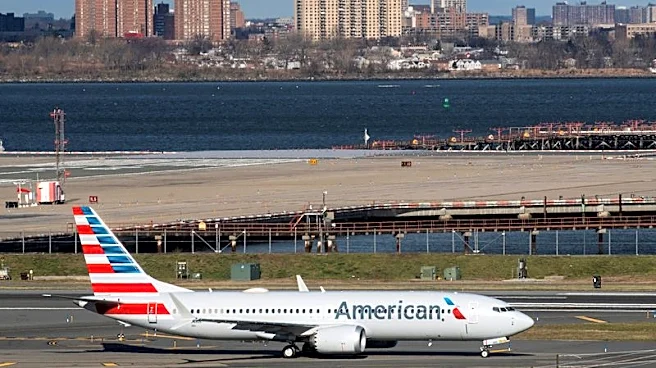
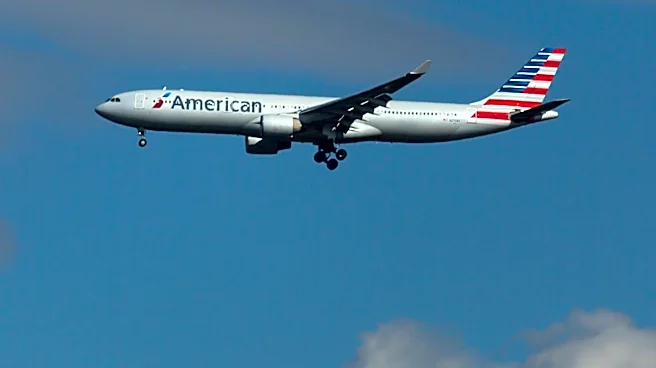
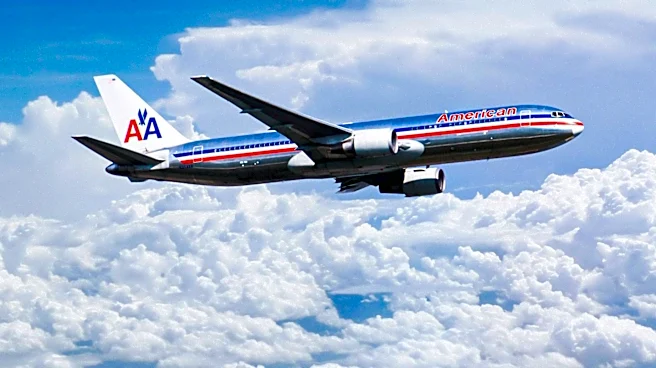
An American Airlines flight experienced a tire issue upon landing at Chicago O'Hare International Airport on Monday, August 17, 2026, blowing two tires. The flight, American Airlines flight 386, had departed from LaGuardia Airport and landed around 2 p.m.
local time. According to the Federal Aviation Administration (FAA) and American Airlines, there were no injuries reported among passengers or crew. Passengers deplaned via stairs on the taxiway and were subsequently bused to the terminal. The Boeing 737-800 aircraft has been taken out of service for inspections. The FAA has announced that it will investigate the incident. This event occurred on the same day that a United Airlines flight also landed with blown tires at O'Hare, and days after another United Airlines flight aborted takeoff at the same airport due to blown tires.
Why It's Important?
The incident involving the American Airlines flight, coupled with a similar event involving a United Airlines flight on the same day and another United flight days prior, raises significant concerns about aircraft maintenance, operational procedures, and runway conditions at Chicago O'Hare International Airport. While no injuries were reported, such occurrences can cause considerable disruption to air travel, leading to delays, diversions, and passenger inconvenience. The FAA's investigation is crucial to determine the root causes, which could range from manufacturing defects in tires, maintenance oversights, foreign object debris on runways, or operational factors during landing. The frequency of these incidents at a major hub like O'Hare could impact public confidence in air travel safety and potentially lead to stricter regulatory oversight or changes in airline maintenance protocols across the industry. It also highlights the importance of robust safety checks and rapid response mechanisms at busy airports.
What's Next?
The Federal Aviation Administration (FAA) will conduct a thorough investigation into the American Airlines tire incident, as well as the other recent tire-related events at Chicago O'Hare. This investigation will likely involve examining the aircraft's maintenance records, interviewing the flight crew, analyzing flight data recorders, and inspecting the runway for any contributing factors. American Airlines will continue its internal inspections of the Boeing 737-800 aircraft before it can be returned to service. Depending on the findings, the FAA could issue new safety directives, recommend changes to airline maintenance practices, or mandate improvements to airport infrastructure. Airlines operating at O'Hare may also review their pre-flight and landing procedures. The repeated nature of these incidents suggests that a comprehensive review of airport operations and airline protocols may be necessary to prevent future occurrences and maintain passenger safety and operational efficiency.
Beyond the Headlines
The cluster of tire-related incidents at Chicago O'Hare within a short period could point to systemic issues that extend beyond individual aircraft or airlines. This could include factors such as the condition of O'Hare's runways, the frequency of aircraft movements, or even environmental conditions that might exacerbate tire wear. The economic implications for airlines include potential costs associated with aircraft downtime for inspections and repairs, passenger compensation for delays, and potential impacts on their reputation. For the broader aviation industry, these events underscore the continuous challenge of maintaining safety standards in high-volume operations. It also highlights the intricate coordination required between airlines, airport authorities, and regulatory bodies like the FAA to ensure the integrity of air travel. The public's perception of air travel safety is highly sensitive to such incidents, making transparent investigations and effective corrective actions paramount.