







What's Happening?
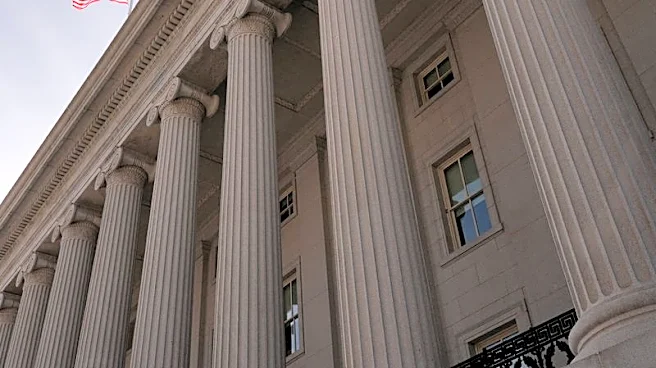
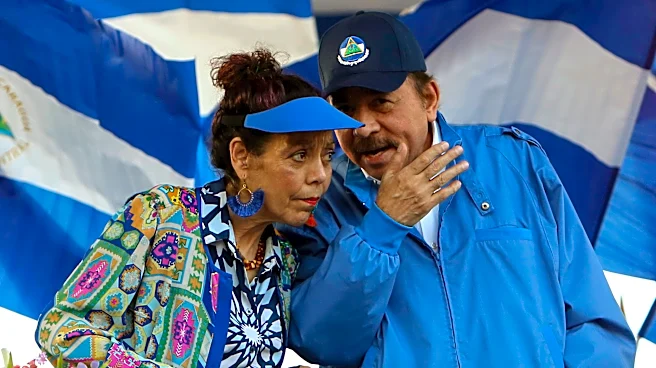
The United States has imposed sanctions on two sons of Nicaraguan President Daniel Ortega and Vice President Rosario Murillo, along with several officials and companies linked to Nicaragua's gold sector. The U.S. Treasury Department announced these measures
as part of a broader strategy to increase pressure on the Nicaraguan government, which it accuses of being repressive. The individuals sanctioned include Maurice Ortega and Daniel Edmundo Ortega, both of whom hold government positions. The sanctions are tied to their roles in supporting the administration's control. Additionally, the U.S. cited the seizure of a mining company with American investment as part of its justification for the sanctions. Nicaragua's government has not yet responded to these actions.
Why It's Important?
These sanctions are significant as they represent a continued effort by the U.S. to apply economic pressure on the Nicaraguan government, which it views as authoritarian. By targeting the gold industry, a major revenue source for Nicaragua, the U.S. aims to disrupt financial networks that support the Ortega administration. This move could have broader implications for U.S.-Nicaragua relations and may affect American businesses involved in the Nicaraguan mining sector. The sanctions also highlight the U.S.'s commitment to addressing human rights concerns and promoting democratic governance in the region.
What's Next?
The U.S. is likely to continue monitoring the situation in Nicaragua and may impose further sanctions if the government does not change its policies. The international community, including other countries and human rights organizations, may also respond to these developments, potentially leading to increased diplomatic pressure on Nicaragua. The Nicaraguan government may seek to mitigate the impact of these sanctions by strengthening ties with other nations or exploring alternative economic partnerships.